
Living in Punta del Diablo, Uruguay: A lesbian couple’s first year
Shelley and Chas moved from Georgia to Punta del Diablo, Uruguay. Real monthly costs, LGBTQ community, bringing cats, residency + advice.


Living in Punta del Diablo, Uruguay: A lesbian couple’s first year
Shelley and Chas moved from Georgia to Punta del Diablo, Uruguay. Real monthly costs, LGBTQ community, bringing cats, residency + advice.

Carolina Sprengel Real Estate – Investing & selling
Investing in Uruguay real estate or selling your property? We love this realtor for sharp financial analysis and honest, hands-on service.

Alto de la Ballena – Pioneering Maldonado winery
Tiny Maldonado winery producing some of Uruguay’s finest wines. Alto de la Ballena was the first to make wine in Uruguay’s top wine region.

Casa Mara Uruguay – Designer hillside hideaway
Casa Mara Uruguay: a sierra hillside hideaway with three cabins, a natural infinity pool and not a single power line in sight.

Uruguay – most gay friendly nation in South America
…and 3rd friendliest in the world according to Equaldex. Homosexuality has been legal here almost 100 years.

Montevideo Carnival 2027 dates
Hot off the press! The world’s longest carnival is in Montevideo Uruguay and we’ve got the dates.

Treehouse Ecolodge – La Barra eco-hotel
Your treehouse perched in a pine-forest 2 minutes from the beach. The most unique La Barra hotel experience ever.

Baco – Montevideo’s top wine restaurant
A French bistro with probably the longest wine list in the city and multiple by-the-glass choices is one of the best Montevideo restaurants.

Namasté — Vegetarian restaurant in Montevideo
Looking for vegetarian restaurants in Montevideo? Namasté is a family-run restaurant serving home-style food in a relaxed, colourful setting.

Dance tango in Uruguay. Whether a complete newbie or you already dance, the tango scene in Montevideo is a great way to make friends.

…and 3rd friendliest in the world according to Equaldex. Homosexuality has been legal here almost 100 years.
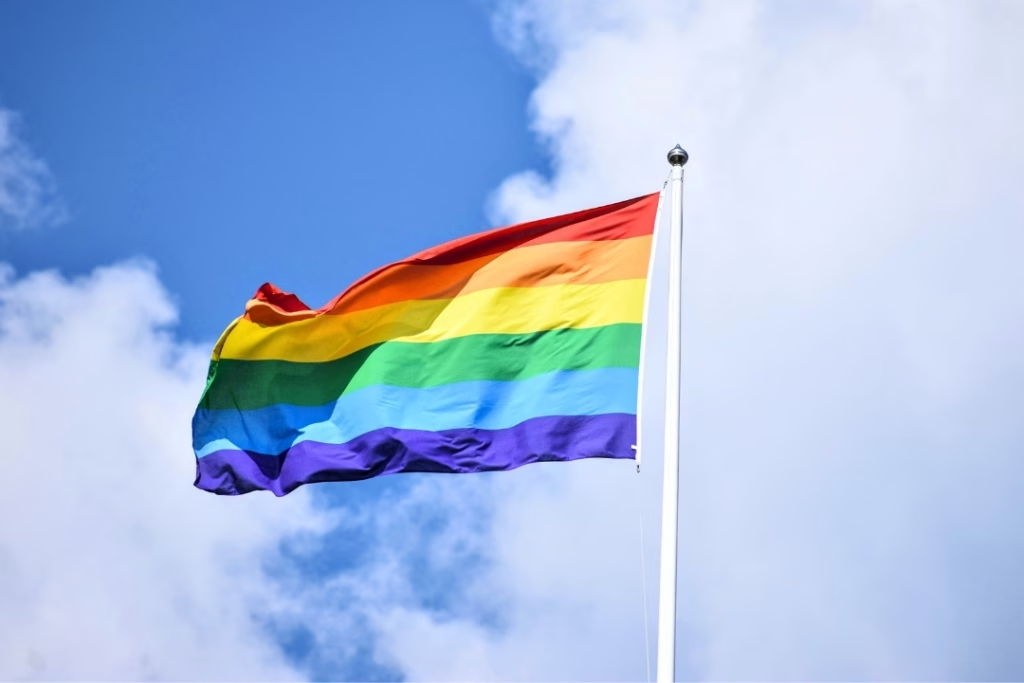
Did you know Uruguay is among the most LGBT-friendly countries worldwide? Small nation. Big equality record.
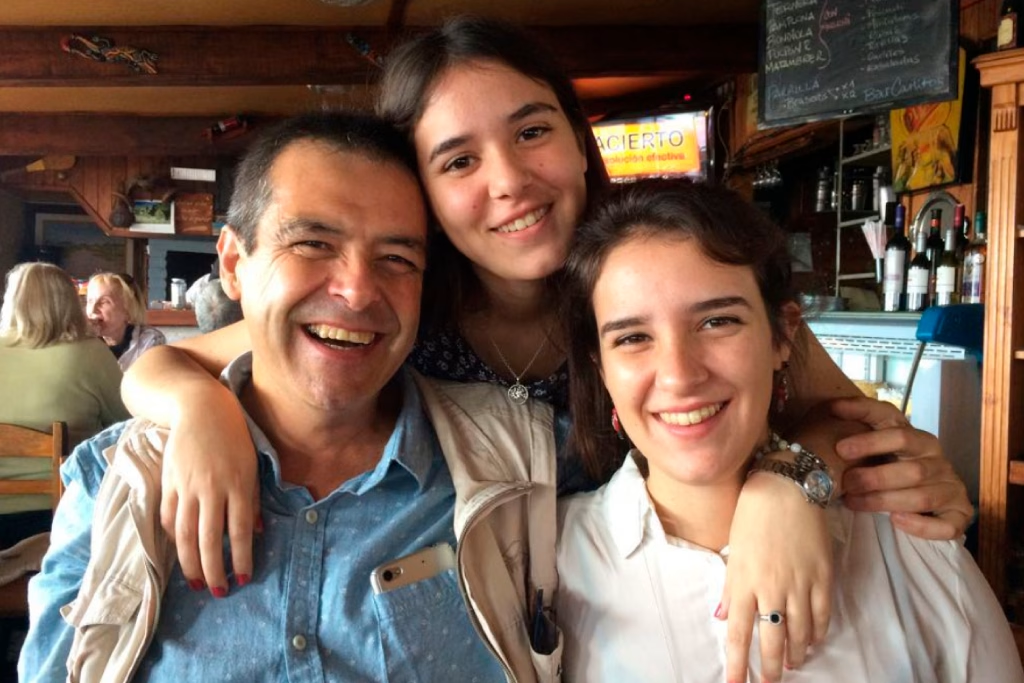
Uruguay makes history once again. Euthanasia in Uruguay is now legal. We learn what went on behind the scenes from the most visible campaigner.

I’ve lived all over the world. Here’s my evaluation based on my experience living and travelling in Uruguay for the last 20+ years.
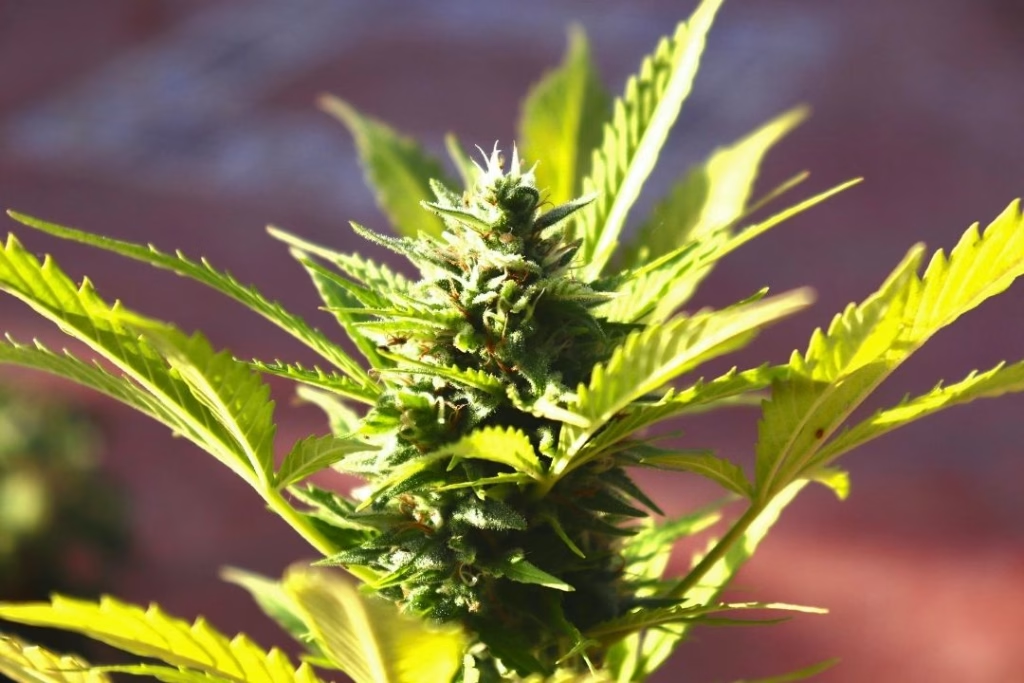
Cannabis in Uruguay decoded: How legal weed works—from pharmacy scans to 420 culture—its surprising stats and real social impact

A member of the Guru’Guay team shares her great-aunt’s story, highlighting the dictatorship’s lasting impact on Uruguayans.