
Great local car rental company in Uruguay
Shout-out for local car rental company, Mariño Sport, in Uruguay. I’ve been impressed by their great service and personal touch since 2010.


Great local car rental company in Uruguay
Shout-out for local car rental company, Mariño Sport, in Uruguay. I’ve been impressed by their great service and personal touch since 2010.

Living in Punta del Este, Uruguay: a Belgian entrepreneur
Tom on his first year living in Punta del Este, Uruguay: adjusting European expectations, opening a business and cost of living.

Citrino – Tiny off-grid Piriapolis hotel making Uruguay greener
A family-run eco retreat with straw-bale lodges, wildlife, organic breakfasts and total tranquility. Five mins from the ocean.

Il Tano Suites – 420-friendly Punta del Diablo hotel
Your suite with private deck, close to secluded beaches, next to Pdd’s best restaurant. Probably the best value of all Punta del Diablo hotels.

Lucas-Calcraft insurance broker – Uruguay travel insurance & more
For Uruguay insurance coverage and healthcare advice, this family-run company has been serving English-speakers for 150 years (really!).

Cerro Chapeu – Uruguay wine legend in north Uruguay
Led by a recognised legend of Uruguay wine, Cerro Chapeu is a must-do wine destination. You’ll be amazed by this exciting, modern winery.

Living in Punta del Diablo, Uruguay: A lesbian couple’s first year
Shelley and Chas moved from Georgia to Punta del Diablo, Uruguay. Real monthly costs, LGBTQ community, bringing cats, residency + advice.

Carolina Sprengel Real Estate – Investing & selling
Investing in Uruguay real estate or selling your property? We love this realtor for sharp financial analysis and honest, hands-on service.

Alto de la Ballena – Pioneering Maldonado winery
Tiny Maldonado winery producing some of Uruguay’s finest wines. Alto de la Ballena was the first to make wine in Uruguay’s top wine region.

Casa Mara Uruguay – Designer hillside hideaway
Casa Mara Uruguay: a sierra hillside hideaway with three cabins, a natural infinity pool and not a single power line in sight.

Shout-out for local car rental company, Mariño Sport, in Uruguay. I’ve been impressed by their great service and personal touch since 2010.

Led by a recognised legend of Uruguay wine, Cerro Chapeu is a must-do wine destination. You’ll be amazed by this exciting, modern winery.
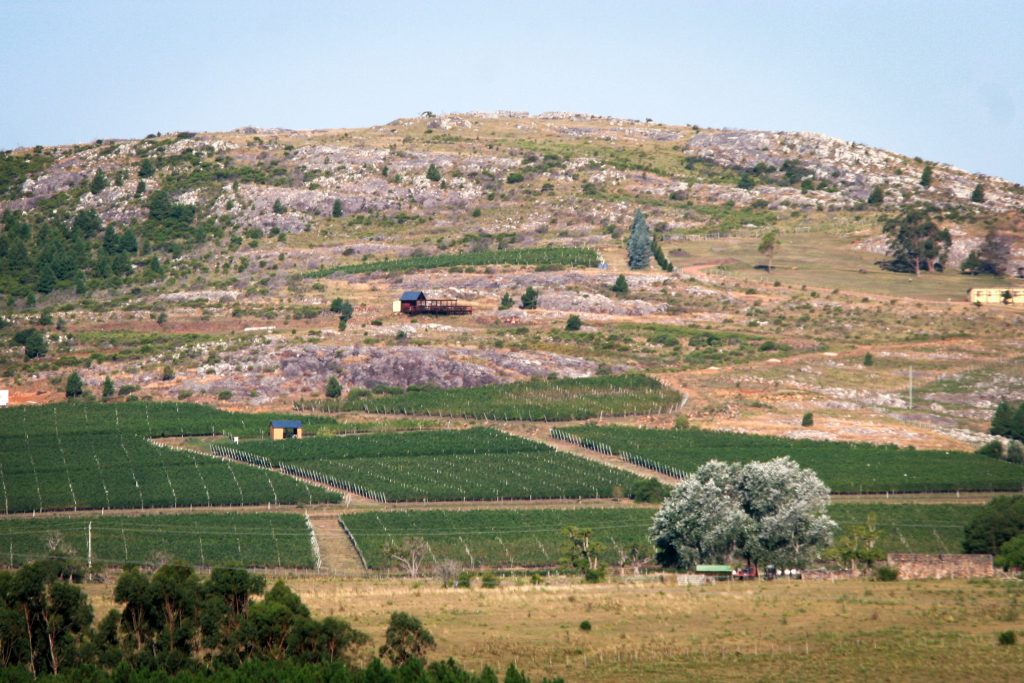
Tiny Maldonado winery producing some of Uruguay’s finest wines. Alto de la Ballena was the first to make wine in Uruguay’s top wine region.

Hot off the press! The world’s longest carnival is in Montevideo Uruguay and we’ve got the dates.
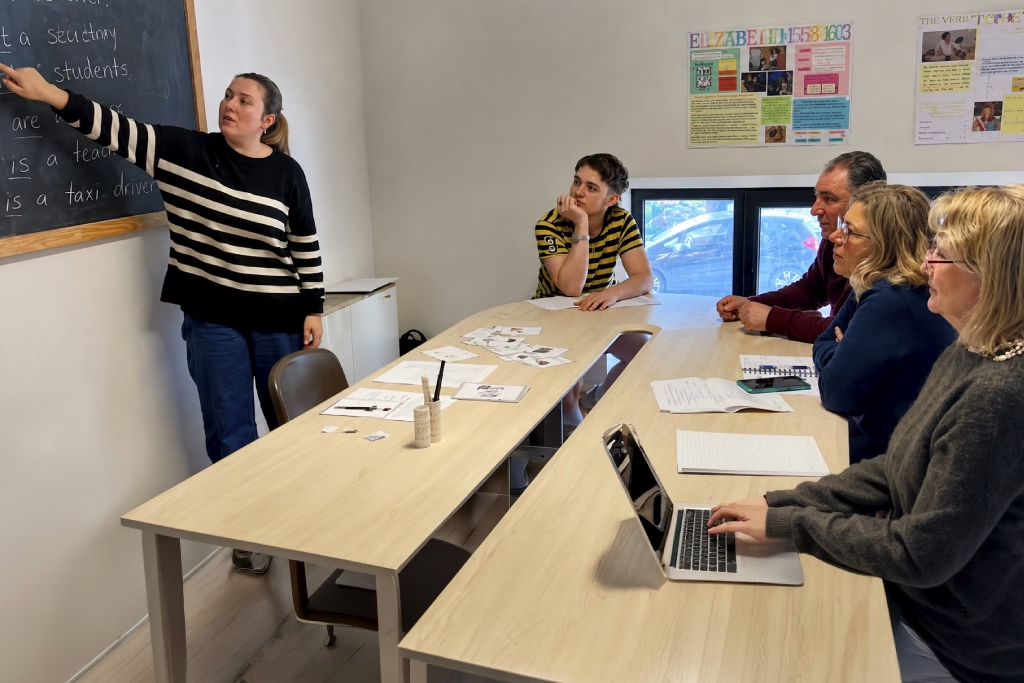
TEFL Uruguay comes to Montevideo in 2027: Four-week face-to-face training for foreigners and English-fluent locals.

Between June and August, visit Uruguay for horse-riding, great music and culture, bonfire parties, wine tasting & whale-watching.
19 responses
Llevo tres días en MONTEVIDEO y esta charla me parece maravillosa porque abre las puertas del tango a quienes como yo estamos empezando… Lástima que en tres días tendré que regresar a Italia. ..
hi, we are travelling to Urugway in Feb. Unfortunately, will spend only one night in Montevideo (Monday).
Could you please recommend a place for a tango show, local, autentic? We are not dancers but would love to feel the atmosphere of the place.
Hi Kasia, I would go to the classic Lunera at Joventango in the Mercado de la Abundancia. It’s a milonga. You can watch the locals dancing and people are very friendly. Enjoy! Karen
Great! Thank you very much for the recommendation. I have seen that a lot of places are closed on Monday thus asked for an advice. Looking forward to see Urugway soon :)))
Baar Fun Fun
Update 1-29-17:
I went down to La Conjura Bar at about 1:45 PM. The metal overhead door was shut tight and there was no indication that they were going to open up for Tango anytime soon.
Hi Jorge, a quick look at La Conjura’s facebook page tells me that they are closed throughout January for the summer holidays. If you are still looking for tango, tonight JovenTango has their classic cafe concert on from 8pm.
Thanks for that info. Do you know what time they usually hold the performances?
I’m not confident enough to get up there and dance but I would like to see the performance.
Hi Jorge, at 8pm every Sunday. Noone will force you to dance at a milonga! The nice thing is that here in Uruguay, you can just sit and watch the dancers if you don’t dance.
Hi, I´ve wanted to know if there are any Tango Dinner Shows in Montevideo. We are travelling late November. Any help is really apreciated. Many thanks.
Hi Sandra, there are a couple of shows. Let me get back to you on that.
I’m really looking forward to discovering the Montevideo tango scene this November 🙂 Flight booked and just started reading your guide, so I think I’m all set! I was just wondering.. is tango also danced in other parts of Uruguay?
Marie, that’s so cool!! Montevideo is definitely the largest city in Uruguay by far, having 50% of the entire country’s population. I can try and find out for you. All the best, Karen
congratulations,felicitaciones
Legazcue
Eres la bailarina? Que honor que hayas visitado la pagina! Gracias!
Muchas gracias.soy el padre de la bailarina Laura.Cordiales saludos y exitos
amilcar
Un honor igual! 🙂 Felicitaciones por haber producido una hija tan talentosa. Para mi, un honor ademas fomentar la cultura tanguera del Uruguay. Cariños – Karen
Excelente artículo, gracias por mostrar nuestra cultura. Me gusta mucho su guía, muy completa. Excellent article, thank you for showing our culture. I enjoy very much your guide.
I always love getting the thumbs-up from fellow Uruguayans (I consider myself an honourary one after more than 15 years living here 🙂 ) Thanks for taking the time to comment! — Karen