

Living in Punta del Diablo, Uruguay: A lesbian couple’s first year
Shelley and Chas moved from Georgia to Punta del Diablo, Uruguay. Real monthly costs, LGBTQ community, bringing cats, residency + advice.
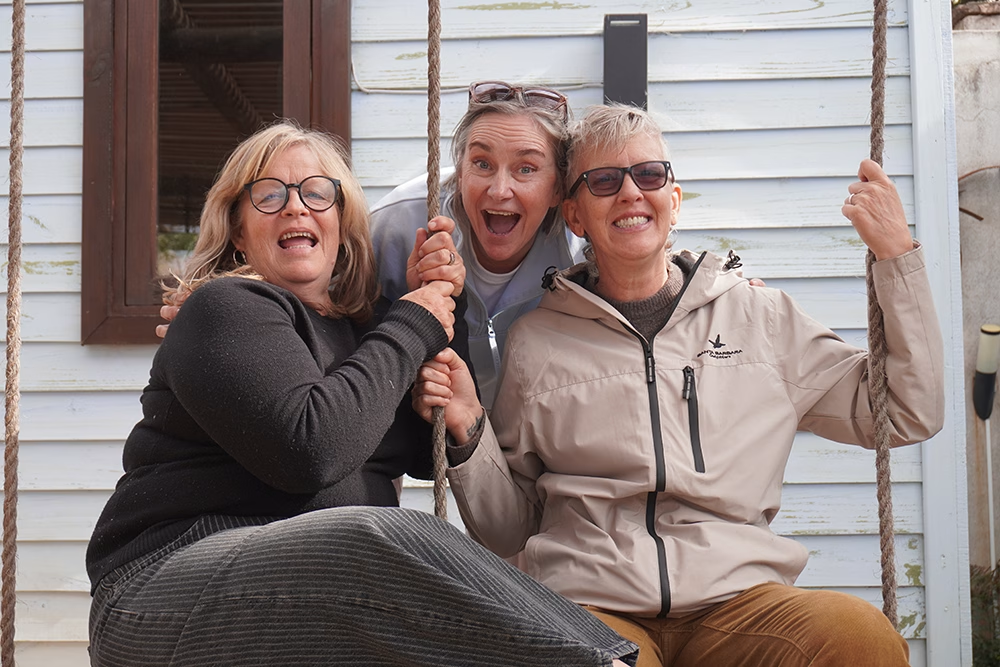
Find Guru’Guay products and services for your travel or relocation to Uruguay
Vacation
→
Relocation
→
Shelley and Chas on life in Punta del Diablo, Rocha, a fishing town with renowned unspoiled beaches next to to the Brazilian border.
I’ve interviewed foreigners living in Montevideo and along the coast of Canelones and Maldonado, but until now I’d never sat down with anyone living in Rocha. Tucked up against the Brazilian border, Rocha is the department I’ve always thought of as the wild west of Uruguay, or given the geography, the wild east: less development, more nature, and a four-hour bus ride from the capital. If you’re weighing a move to Uruguay and wondering what living in Punta del Diablo, or anywhere this rural, is really like, I wanted you to hear from people who are actually doing it, the good parts and the tricky ones.
Shelley and Chas are from the US originally having lived and worked in 18 US states, from Massachusetts and New York to New Mexico and Florida. Their last stop was Athens, Georgia, where they ran an organic farm and counted Michael Stipe as a neighbour and friend. Chas is an artist by career. They sold their US home to buy one in Punta del Diablo, landed in Uruguay at 7am on August 27 2025, and a year later they have a packed social calendar, a Spanish teacher who is also a friend, and a front porch where they sit and listen to the ocean.
This interview has been edited and abbreviated for brevity. Shelley and Chas answered together, so their responses are combined. Watch the full video interview on the Guru’Guay YouTube channel.

Shelley and Chas: It’s very natural. My favourite beach, Playa Grande, is four blocks away, and you won’t find any buildings on it. It’s a very creative community, with lots of artists: ceramics, fashion, painting, photography. It’s almost unplugged. You can have internet and DirecTV if you want, but I think most of the community just lives a different lifestyle. At the same time, in summer you can go to an open-air restaurant on the beach and listen to a renowned jazz pianist, or go to a literary event. And in winter the town comes alive for locals in a different way. People have free time, there are acrobatics classes, swimming classes, two gyms.
Shelley and Chas: We tried not to move here! We made pros and cons lists because we worried about the language, about it being rural, about whether there were enough services year-round. We’d read your guide to the beaches, which described La Paloma as the family beach and Punta del Diablo as the more international, artsy one, and that felt right for us. But every time we did our list, Punta del Diablo won.
Read more: Guru’Guay’s guide to Uruguay’s beaches
Shelley and Chas: Would there be grocery stores year-round? There are eight or nine, plus two hardware stores. Veterinarians and health care? There are several vets and a couple of health clinics. Did we need to speak Spanish fluently? We don’t, but we’re learning. And a major factor was what the LGBTQ community would be like for us. We knew Uruguay had an amazing history, which is one of the reasons we picked it, but we weren’t sure about Punta del Diablo specifically. We also wanted an international community and to be immersed in the culture.
Shelley and Chas: It runs from after Christmas to about the first of March, so it’s very short but festive. If you want to participate, rest up! I was scared it would be overwhelming, and it really wasn’t. We live on a quiet street where most residents are year-round. We could hear the asados around us, but we were having an asado too. And you can always walk a minute and find your own space. At a certain point you’re in Santa Teresa National Park, on the beach.

Shelley and Chas: Not hard at all. A woman we met at the local supermercado, who doesn’t speak any English, clued us in about the first annual pride parade on the beach. We were nervous, since we don’t speak the language, so we had a little liquid courage and went. Two women came right over. They told us later they’d clocked us as Americans and decided to come and talk to us. One of them made us a Fernelo (Fernet and Coke), and we hit it off. Before we knew it we were in a VW bus in the parade, waving pride flags out the window, then dancing all night at a social club called La Casa. That was the beginning of our friend group. We were instantly in the group chat, invited to every asado, birthday and Christmas. We turn down more invitations than we can attend.
Shelley and Chas: Locals joke that this is the Uruguayan Isle of Lesbos. The word around town is that the year-round population of about 3,600 is roughly 75% women and about 50% LGBTQ. We couldn’t believe it, so we checked with our friend Lau, who’s involved in local government, and she said those numbers sounded right to her. Not everybody in our friend group is LGBTQ, but everybody is accepting. We have friends who are into independent film, friends in a candombe group. People are curious about one another, which we love.
Read more: Why Uruguay is the most gay-friendly nation in South America
Shelley and Chas: We don’t pay rent, since we bought our home. The basics (food, electricity, water, gas, internet and cell phone) come to about $650 to $750 a month, depending on the season, because electricity costs more in winter. We’re not pinching pennies. We probably spend the most on food because we love to cook. Our cell phone plans are $17 a month each with all the data we need. Internet is roughly $30 a month and we stream everything with no problems. We’ve replaced one cooking gas tank in a year, for about $30.
Shelley and Chas: Eating out. When we went out to dinner, we spent about the same as we would in the US. You can find less expensive places, but I was surprised.

Shelley and Chas: We built it up to be a monumental undertaking and it wasn’t. The harder part was on the US side: you need a USDA-certified vet, and the certificate has to be sent to Uruguay ahead of time, with a printed copy to carry. If your regular vet isn’t certified, look for a university with a vet school. We flew Copa via Panama, which cut the trip in half, and the Panama airport has a pet room where cats can get out of their carriers. In Montevideo, officials were waiting for us right by customs. I made a folder for each cat with its photo on the front, which I highly recommend. The catches: it’s one cat per person, and there’s a weight limit. One of our cats had to go on a diet to make weight, and a friend flew with us so we’d have a third person.
Shelley and Chas: We researched for over a year and there just wasn’t enough information out there. Through your guide we interviewed relocation specialists and chose Sierra Atlántica. We landed at 7am and had our first appointment at 11, then went straight on to get our carné de salud, the health card. They asked us to give them two weeks in Montevideo, so we stayed in Ciudad Vieja and worked through your Montevideo guide. By the time we got up to Punta del Diablo, our temporary residency and ID card appointment was already scheduled. Having them in my back pocket gave me the confidence to keep moving forward. Now when we need to go to Montevideo, we make a trip of it. It’s about four hours on the bus, and we listen to music or audiobooks, or study Spanish on our apps.
Shelley and Chas: Most of our friends speak Spanish, and they’re very patient with us. Listening is harder than speaking for me, because of the speed. I used to understand nothing, and now I pick up words but can’t always put the context together. We’re getting better. If I’ve cried here, it’s because I want to speak Spanish more, to get to know my friends better. We heard, I think it was on your site, “don’t try to change Uruguay, let Uruguay change you,” and that’s who we want to be.

Shelley and Chas: Most of our friends speak Spanish, and they’re very patient with us. Listening is harder than speaking for me, because of the speed. I used to understand nothing, and now I pick up words but can’t always put the context together. We’re getting better. If I’ve cried here, it’s because I want to speak Spanish more, to get to know my friends better. We heard, I think it was on your site, “don’t try to change Uruguay, let Uruguay change you,” and that’s who we want to be.
Shelley and Chas: Nothing long-lasting. At first, setting up utilities was hard. A lot is still analog here. You can’t open an account online, you walk down to OSE (the water company) and fill out paperwork. Once we learned how transferencias work (using your bank app on your phone to transfer cash payments), everything got simpler. A friend helped us put our bills on autopay. Coming from the US, you want instant gratification, and you have to let that go.
Shelley and Chas: Don’t spin your wheels worrying before you get here. Worrying is my superpower, and once I arrived I realised how much of it was unnecessary. Your income level doesn’t matter; it’s achievable. You can do it on your own, but use the resources, like Guru’Guay and Sierra Atlántica, because they’re spot-on. For me, the climate, the people… it’s the best place I’ve ever lived in my life.
Watch the full interview with Shelley and Chas on the Guru’Guay YouTube channel
We’ve lived the hippie-dippie lifestyle, and we’ve lived the super business-y career lifestyle, and we didn’t want to go too extreme in either direction. Your guide to the beaches, which was helpful because it was Punta del Diablo was the more international, artsy. The population here is about 34, 3600 year-round. Yeah. It’s the rumour in the rumour mill around that it’s about 75% women and then about 50% LGBTQ. But we made pros and cons, because we thought maybe we shouldn’t come here. But every time we did our list, Punta del Diablo still won. It just won every single time.
So I’m with Shelly and Chaz, who are living in Punta del Diablo along the coast in Uruguay for the last year. And I’ve never interviewed anybody that’s actually living in the department of Rocha, which is right close to the Brazilian border, which I always kind of think of as the Wild West. And I’m going to get behind the camera so that we can actually look at their lovely faces. Chaz, Shelly. Sweet!
Welcome. Tell me, where do you come from? And when did you move to Uruguay?
Okay. Shall I begin? Yeah. Okay. So most currently, we’re from the United States, more specifically Georgia, and more specifically Athens, which is about an hour and a half from Atlanta. And of Michael Stipe. Yes. Athens is the home of Michael Stipe. He was our neighbour, and we became friends in Athens. And home of the B-52s. But collectively, Chaz and I have lived and worked in 18 different states, ranging from Massachusetts, New York, to New Mexico, to Florida. Georgia was the last stop before we came to Uruguay. But August 27th, at 7 a.m. in the morning, is when we arrived, 2025.
So, you moved to Punta del Diablo. Sí. Why?
So for me, Punta del Diablo is very natural. My favourite beach is four blocks this way, and it’s called Playa Grande. You’ll never find big, gigantic condo buildings on the beach. You won’t find any buildings on Playa Grande. It’s very natural. It’s very creative. Lots of artists here, of all kinds. Ceramic, fashion, painting, photography, everything. So it’s a very creative community. It’s almost unplugged. You don’t have to be unplugged here. You can have internet and DirecTV, or all of those things, if you want to be plugged in. But I think the majority of the community is just unplugged. It’s just a different lifestyle. But, at the same time, you can go to an open-air restaurant on the beach in the summer, and listen to a renowned jazz pianist. You know, you can see some really amazing literary events. Or, you can go to the… we have two gyms. The winter is for locals. We were talking earlier, and there are classes. And you can do aerobatics class, or swimming class, or… It’s when the town really, to me, came more alive in a very different way. Because, you know, people are in and out, transitioning on vacation. And then, all of a sudden, everybody’s not working as much as they were. They have a lot of free time, and they have money from the tourist season. And it’s just… It comes alive for locals in the off-season.
So the high season, you’ve lived one high season already. How did you find that? So we’re talking about what period did you feel that it was more high season?
Really, the tail end of December, after Navidad, through the first of March. Very short, but festive. If you want to participate, you have to rest up. There is so much to do all day and all night. But we… you know, one of the things we like to do is sit on our front porch and listen to the ocean. We can do that here. And you can still do that in the high season. I was scared that it was just going to be overwhelming. And it really wasn’t. No, the neighborhood… this is a very quiet neighbourhood, because a majority of the residents here are year-round. They rent to family or friends, kind of, in and out. But it’s not, you know… I mean, we hear the asados around us, but they’re… They’re having an asado and so are we. So it’s just like, you know, it’s just, it was fun and there was a lot to do and there were a lot of people, but it wasn’t overwhelming. No, I thought it might be, but we commented several times sitting on the front porch. We’ve experienced spring break in the United States where it’s just like wall to wall people. So this was lovely. It’s amazing. We love it here. We tried not to move here, right?
Yes. Oh, we have a neighbourhood visitor. A sweater. Yeah. I’ve always lived in big cities. And before we moved here, we were more rural. We had an organic farm. We just, I really like what we call in the United States, country living with access. So I can go to a larger city quickly. And so Punta del Diablo was our choice and we knew we wanted to be on the beach. Yes, absolutely. And we read, we actually read your guide to the beaches, which was helpful because it was like La Paloma is the family beach and this is this beach. And Punta del Diablo was the more international artsy. Chaz is an artist by career. And so we felt like it was right for us, but we made pros and cons because we thought maybe we shouldn’t come here because of lack of language. It was more rural, maybe not enough services to live year round, right? But every time we did our list, Punta del Diablo still won. It just won every single time.
And what was on your list?
Would there be grocery stores year round? There’s about eight or nine. There’s two hardware stores. Would there be veterinarians and health care? There’s several veterinarians. There’s a couple of health clinics. Did we need to speak Spanish fluently to be here? Because we don’t. We’re learning, we’re getting better, but we don’t. And a major factor was what would the LGBTQ community be for us? We knew all of Uruguay had an amazing history and it’s one of the reasons we picked Uruguay. Pero we weren’t sure about Punta del Diablo. And we were wondering, okay, we’ve lived the hippie dippy lifestyle and we’ve lived the super businessy career lifestyle and we didn’t want to go too extreme in either direction, but we wanted all of it. And was there an international community? We wanted that. And we really wanted to be immersed in the culture. So that’s why Punta del Diablo. It just kept winning every time. And the cost too, a little. The cost of living here was… It’s cheaper. It had its advantages for sure.
Hey, I didn’t introduce myself. My name’s Karen and I’ve been running Guru’Guay, which is an independent guide to life and travel in Uruguay since 2013. This video is possible thanks to the support of Uruguay relocation specialists, Sierra Atlantica. If you’re serious about moving to Uruguay, then they are offering a free consultation to Guru’Guay readers. You can write to them at hola at sa.uy or check out their website, sa.uy. Now let’s get back to the interview.
How easy has it been to make friends?
Okay, I don’t want to talk too much, but okay, this is a story. I’m from the South. So we tell stories to tell, you know, but okay. It’s not been hard at all. We made friends immediately. It started with the local supermercado and we met a friend who does not speak any English and she would clue us into events. And within two weeks, we were going to a pride event down on the beach and we were like… First anniversary, the first annual pride parade in Punta del Diablo. We can’t miss this. We were afraid. We were like, should we go? Should we not go? We don’t speak the language. I don’t know. We made an adult beverage. Little liquid courage. Liquid courage. And we said, we’re doing it. And so we walked down there. We get there and these two girls, they told us later, they became our friends. And they told us later, they’re like, they clocked us. They were like, they’re from the United States. We got to talk to them. Let’s go. And so they came over and they started talking to us. One of them made us a drink, a fernello. And we just started talking to them and we hit it off. And before we knew it, we were in a VW bus, in a caravan, a parade, holding pride flags and screaming out the window. We ended up at this social club, it’s called La Casa, and where there was a big dance party all night, and we danced all night, sat by a bonfire, talked to people the best we could, and we just made friends. That was it. That was it. That was history. It was the beginning of our friend group. And then we were immediately invited to every asado, every birthday, every, you know, Christmas, all the things. We were instantly in the group chat, and we just, we have to turn down more things than we possibly can attend. It’s crazy. And they’re just amazing. I mean, they’re just welcoming and loving and very patient with us and our language, and they’ll help us. One of them became my Spanish teacher, and yeah, it’s just been, it was amazing.
Yeah, I was really impressed by what you told me about the number of friends that you had made, and also the size of the LGBTQ community here.
Yes, it is unbelievable. It’s unbelievable. At times it’s hard, it’s just hard to fathom. And it is true. Yeah, we’ve checked. We did our homework, and we double, triple checked. Yeah. Yeah, so it’s kind of just the rumour and the rumour mill around that, you know, this is the Uruguayan Isle of Lesbos over here. And so they’re like, okay, yeah, absolutely. It’s about 75 percent women, and then about 50 percent LGBTQ. And we’re like, this can’t be, this can’t be true. They’re like, yeah, it’s true. So we talked to our friend Lau, who’s like, she’s really involved in the government. She’s really involved in, she knows census numbers off the top of her head. And so we’re like, if anybody’s going to have accurate data, it’s going to be Lau. So just yesterday, was it yesterday? The day before. We were like, okay, Lau, this is what we heard. She’s like, oh yeah, definitely. That’s exactly the numbers. And she’s like, and she sat there and thought about it, and she said, actually, there’s only two non-LGBTQ people that I can think of, and I’m one of them. And the other is my friend. Of her friend group, and yeah. So bonus. We didn’t even know that. And the population here is about 34, 3600 year round. Yeah. Yeah, that’s what she said that too. That’s a pretty big numbers, but they’re accurate. Yeah. To the best of my knowledge. To the best of our knowledge. And Lau’s knowledge. To do the homework, we took that serious. Not everybody of our friend group is LGBTQ, but everybody is accepting of one another. Yeah. They may be, we have a couple friends that are, they’re heavily into independent film, and they have a film group. And we have people that are into Candombe, and they have a Candombe group. And it’s just a widely accepting group of people here that just are curious of one another, which is great. We love that.
How about your monthly budget? You mentioned already, this is, you chose Punta del Diablo because it was going to be less expensive than maybe other parts of Uruguay. Can you give us a bit of an idea of what your monthly costs look like?
We had a, so when we were moving, we had sort of a guide of things we needed for our residency. And one of the guides was you need to have this amount of income a month as a couple. And so we thought, oh, okay, let’s make sure we save that so that we can get by until our pensions come. And we started doing the budget here. And luckily we don’t have to pay rent. We sold our home in the United States and used that money to buy this home. But the basics, food, electricity, water, gas, internet, cell phone, we spend about $650 a month, dollars, U.S. dollars, $650 to $750 depending on the season. The winter, the electricity is more expensive. But it’s a fraction. It’s not even possible for one person to even come close to that in the United States. And it’s not, we’re not living with lack or doing without or pinching pennies. I mean, that’s just, and we probably spend more money on food than anything, but that’s kind of like our thing, you know, where we… We like to cook. Yeah. But like a cell phone, and we don’t have, we have a private plan and with as much as we could possibly need, and we pay $17 a month each. One, seven. Internet is roughly $30 a month, and we stream everything. We stream television if we watch television. We are on our computers. If we’re inside, we’re on our computers. We never have a lack of data, speed, nothing, and it’s $30 a month. Gas. Each cabaña has gas for cooking, and there are tanks. We’ve replaced one tank in a year, and it was like $30. The cost is just a fraction of what it was for us.
You mentioned to me there is one thing that’s more expensive here.
Eating out. Yes. Comparatively speaking, I was surprised. Yes. You can go out to eat, and you can find some lesser expensive places, but I was super surprised that to eat a meal is going to compare to the U.S., going out to eat in the U.S. You think it’s a little cheaper. Yes. If I’m comparing quality, like I could go to a restaurant chain in the U.S. and get a comparable price, but if I were to go to as nice a restaurant in the U.S. as the nice restaurant, like Il Tano or Cardamomo, those are going to be way more expensive than these guys. I feel like when we went out to dinner, our tab, we spent about the same as we spent when we would go out to eat in the U.S. I was surprised at that.
You moved here with three cats and told me it was very easy. How did you do it?
It was more stress for us than it was the situation. We had just built it up to be this monumental undertaking that turned out to not be as monumental. Yes. We stressed ourselves out. The harder part was on the U.S. side because you have to have a USDA-certified veterinarian. That certificate needs to be sent to Uruguay when you arrive. Then you also need a printout version to bring with you. Luckily, we did have that. She gave us the list and everything we needed to do. At the last minute, the government administration changed and did away with the officials, all but one, and tripled the price. That was a struggle on the U.S. side. Coming, we found an airline, COPA, that let us fly through Panama. We could cut the trip in half. They have a pet room in the airport for you to bring your pet and take them out of their carrier and let them run around and go to the bathroom and get some water. When we arrived in Uruguay, it was 7 a.m., but they knew we were coming. We were concerned. They were like, oh, my gosh, are they going to be open? Even anybody open, but they knew we were coming. They were waiting for us. We went through the line at Customs, and there was a table right across from them. They were like, hey. We just walked over. I prepared a folder for each cat. Recommend highly. If they needed anything, I had a folder. With a picture of the cat on the folder. They’ll call your pet’s name out. I guess because we had three, so it’s not like rover of one, party of one. It was like, okay, cat, cat, cat. The hardest part was it’s one cat per person, and the cat has to weigh a certain amount in the carrier. We have one really big cat that had to go on a diet before, we kept weighing him. Has he made weight yet? Because he didn’t make weight at first. But on both sides, on the U.S. side and on the Uruguay side, there’s a list of what you need. It’s really timing, because there’s one test you have to get that’s only valid for like ten days. Ten days, yeah. Both countries have really good documentation of what you need to have. If you need help finding a USDA vet, we live in a college town in Georgia, so a lot of colleges have vet schools. If you have a college near you, university, seek out there if your regular vet is not USDA certified. It was easy for us to find. But there is a weight limit. And there’s a limit to one cat per person. Yeah, we had to actually have a friend come with us. We met a friend right before we came and we were out having a celebration and that’s where we met him and he said okay that night, but he was like, wait a minute, wait till I’m not celebrating, but he agreed to come, which was great because he spoke Spanish and so he just came with us and we booked our Airbnb and it was great having him here, yeah.
How easy was it to get your residency papers given that you’re living, you know, four hours away from the capital? Here in Punta del Diablo.
It was okay, so another one of the things that there is enough information about is what you need for residency. And we had, so we’ve researched probably moving to Uruguay for about a year, maybe a year and a half. Hardcore for the year. Yeah. Yeah, we saw so many things but not enough information and we found… Okay, I’m not trying to brown-nose the teacher, but we found your guide and in your guide you offered some relocation specialists and we interviewed them and we chose Sierra Atlantica. And so when we arrived, we arrived at 7 a.m. on a Wednesday. Mm-hmm. We already had had video meetings with the guys at Sierra Atlantica and we had an appointment at 11 and then they took us to get our temporary carné de salud, the medical card that you need to have here. Mm-hmm. And then it was just this meeting and this meeting and now you’re going here and hey we’re gonna drive you over here to do this application. And I had asked them originally how much time I needed to be in Montevideo and they said give us two weeks. So we did it, which was great because then we used your guide to Montevideo, we went to all the places and we stayed and… Yeah, and it was just, it was lovely. It was a pleasure. And by the time we came up here, they had an appointment scheduled for us to get our temporary residency and our ID card. Mm-hmm. And Sierra Atlantica, these guys are just… I know I say their name a lot and your name a lot, but I just… The information and the systematic, you know, oh, I need an insurance agent. Oh, Karen has somebody. Mm-hmm. Let me look at her site. I read an article. I need a rental car. Oh, Karen has somebody, which is the same person Sierra Atlantica had, so it worked out perfectly. Just the confidence, like to me, having them in my back pocket, so to speak, it gave me the confidence to just keep moving forward. Yeah, once we did that once or twice. Yeah, you’re like, okay, we can find the answers. I felt so much better. Yeah, like I’ve got somebody right here with me. Mm-hmm, you know. So it wasn’t bad and here if we want or need to go to Montevideo, we just make a trip of it because we have a list in the guidebook of places we haven’t gone yet. Yeah, we just go stay a day, hop on the bus. It’s an event.
Yeah, how long does it take you on the bus?
Four hours. We listen to music or audiobooks, or I have some apps where I study my Spanish.
So tell me about that. How’s the Spanish going? I’ve got to say that these women, I went out with them last night, and we’ll show on the screen the place that we went and stuff like that, the social club, so many friends. And I’ve got to say that I think that for how many, nine months you’re here? I’m just a year. We just did a year. Hard and regularly for about six, seven months ago. Yeah, okay. So for, let’s say nine months studying. I’m working on this Spanish. I think they are doing absolutely brilliantly. And the thing that you’re doing is not only being really disciplined about studying, which it definitely needs, but the other thing is that you are taking all the opportunities to be with people and therefore have that. I mean, like, yes, I was so impressed by your accent.
The majority of our friend group is Spanish speaking, 100%. Some speak English, some understand English but don’t really want to speak it. There may be a confidence factor. Mm-hmm. But they’re very patient with us, you know, if I don’t know something or I catch myself saying things completely wrong, and I know I said them wrong, but we’re progressing. It’s gotten to the point where I used to be, I did not understand a word that somebody was saying, and now I pick up the words. But because I’m like, oh, I bet that means, you know, this, and I’m hearing the words, so I can’t put the context together because I’m just, oh, I know what that means, oh, I know what that means. But yeah, we’re getting better. Hearing is more problematic than speaking for me. It’s 60% of the language, the hearing, hearing it, and the speed is difficult.
But I noticed that you guys yesterday as well, to everybody you spoke to, you kind of like did a little apology. Everybody was like ready to help.
Yeah, in that case. Yeah, everyone. I’m just like, I’m sorry, and then it also indicates, I’m here, I’m gonna try, I’m gonna try hard for us and for you and for me, I’m gonna at least give it a shot.
And you said that in Spanish and then you carried on in Spanish. Yeah, you didn’t say it to then start speaking in English. All right, right?
Yeah, and that’s probably, though the people here, this is not on them. It’s on me. If I’ve cried here, I have cried because I want to speak Spanish more, you know. And it’s just because I’m having such a great time and my friends are so wonderful, I just want to learn more about them and talk more to them. So, you know, and we don’t want to be those people that, you know, you have to speak English with me. Like we want to… We heard, it may have been on your site, I think it was on your site, that, you know, don’t try to change Uruguay, let Uruguay change you. And that’s what we want to be, you know. And we wanted to speak Uruguayan Spanish, which is different, so, you know, it’s important to us.
Oh, yeah. What else has been difficult in this period?
It’s not really difficult. It was difficult. It’s not long-lasting difficult. I think originally the things to know, like how do I set up my water bill? Oh, yeah, that was a little, just because it’s different. Yeah, you know, and there’s a lot of analogue happening here, so you can’t go online and just do a chat and open an account, you know. You have to walk down to OSE and sit with the gentleman that works there and fill out the paperwork. But we had a friend that helped us once we learnt how transferencia works, which is transferring money for bills or even a dinner. Once we learnt that, we had a friend help us set up our bills on autopay. So, but originally getting those bills changed into our name was difficult because of the language and not knowing the system. Knowing what you didn’t know, really, like you don’t know what you don’t know until you don’t know it. We’re very, unfortunately, coming from the United States, you’re very, you want things right then and there, instant gratification.
What’s one piece of advice that you would give to someone who’s thinking about moving to Uruguay?
Don’t spin your wheels worrying before you get here and then you realise how much time and energy and effort you wasted worrying about something you didn’t need to worry about, and distress that you could possibly put yourself under, because I’m like, worrying is my, you know, superpower sometimes, and I didn’t need to. Once I got here you could just breathe and let it all go and think, wow, that was unnecessary worry, I would say. And just do it. Just do it. Your level of income doesn’t matter. Yeah, it’s achievable. I would say use the resources like the Guru’Guay website, like Sierra Atlantica. You can do it on your own, you can, but it’s just so helpful to have that person that can guide you through the process. But it’s very achievable to do. And Uruguay, it’s just not many people know much about Uruguay. If you look online, like we were looking for houses, you know, it’s Google Maps from 2015 and there’s just not a lot of information out there. But for me, the climate, the people, it’s just amazing here. It’s the best place I’ve ever lived in my life and it’s warm and welcoming, so I would just say don’t be afraid, but use the resources that are available to guide you through that process, because they are spot-on. Mm-hmm. Yeah.
Guru’Guay regularly interviews English-speaking foreigners living in Uruguay. We choose people who have all had very different experiences. Everyone we interview is from a different socioeconomic background. Some are retired, others have their own online businesses. Some came with their families, some alone or with their partner. A large percentage are LGBTQ (thanks to Uruguay’s historically progressive culture and politics).
What all the interviews have in common is that I ask people to talk candidly about life in Uruguay, and what they find difficult as well as what they love.
Watch the entire series “Living in Uruguay (as a foreigner)” on YouTube, and make sure you hit subscribe to never miss a new interview.
Living in Punta del Diablo, Uruguay: A lesbian couple’s first year
Shelley and Chas moved from Georgia to Punta del Diablo, Uruguay. Real monthly costs, LGBTQ community, bringing cats, residency + advice.

Carolina Sprengel Real Estate – Investing & selling
Investing in Uruguay real estate or selling your property? We love this realtor for sharp financial analysis and honest, hands-on service.

Alto de la Ballena – Pioneering Maldonado winery
Tiny Maldonado winery producing some of Uruguay’s finest wines. Alto de la Ballena was the first to make wine in Uruguay’s top wine region.

Casa Mara Uruguay – Designer hillside hideaway
Casa Mara Uruguay: a sierra hillside hideaway with three cabins, a natural infinity pool and not a single power line in sight.

Uruguay – most gay friendly nation in South America
…and 3rd friendliest in the world according to Equaldex. Homosexuality has been legal here almost 100 years.

Montevideo Carnival 2027 dates
Hot off the press! The world’s longest carnival is in Montevideo Uruguay and we’ve got the dates.

Treehouse Ecolodge – La Barra eco-hotel
Your treehouse perched in a pine-forest 2 minutes from the beach. The most unique La Barra hotel experience ever.

Baco – Montevideo’s top wine restaurant
A French bistro with probably the longest wine list in the city and multiple by-the-glass choices is one of the best Montevideo restaurants.

Namasté — Vegetarian restaurant in Montevideo
Looking for vegetarian restaurants in Montevideo? Namasté is a family-run restaurant serving home-style food in a relaxed, colourful setting.

Dance tango in Uruguay. Whether a complete newbie or you already dance, the tango scene in Montevideo is a great way to make friends.
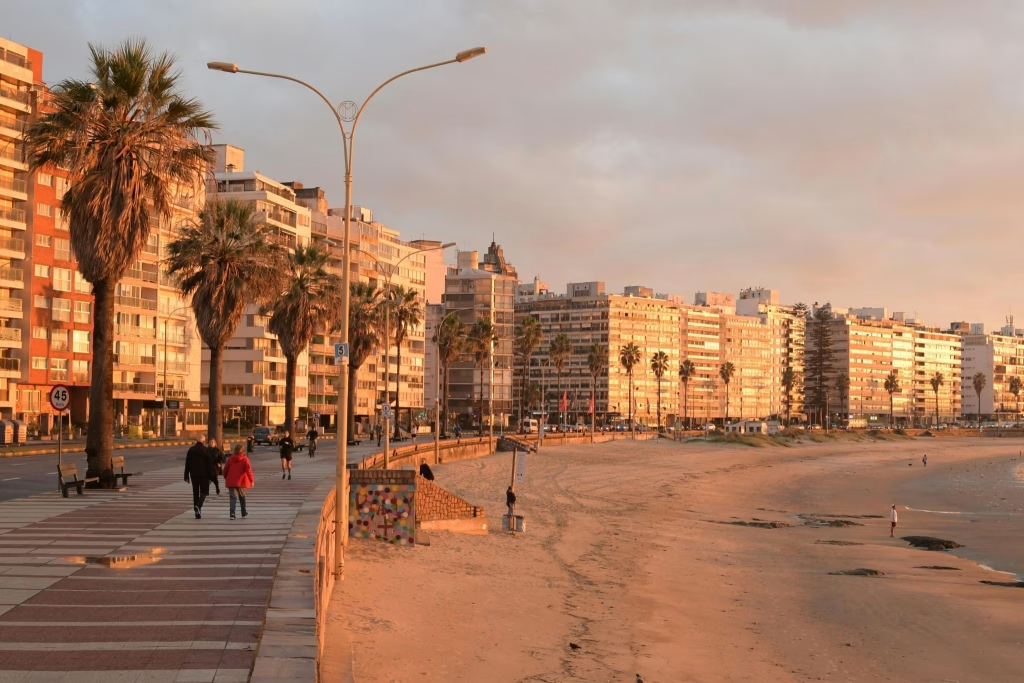
We interview foreigners in Uruguay who moved here from principally English-speaking countries so you can learn from their mistakes.
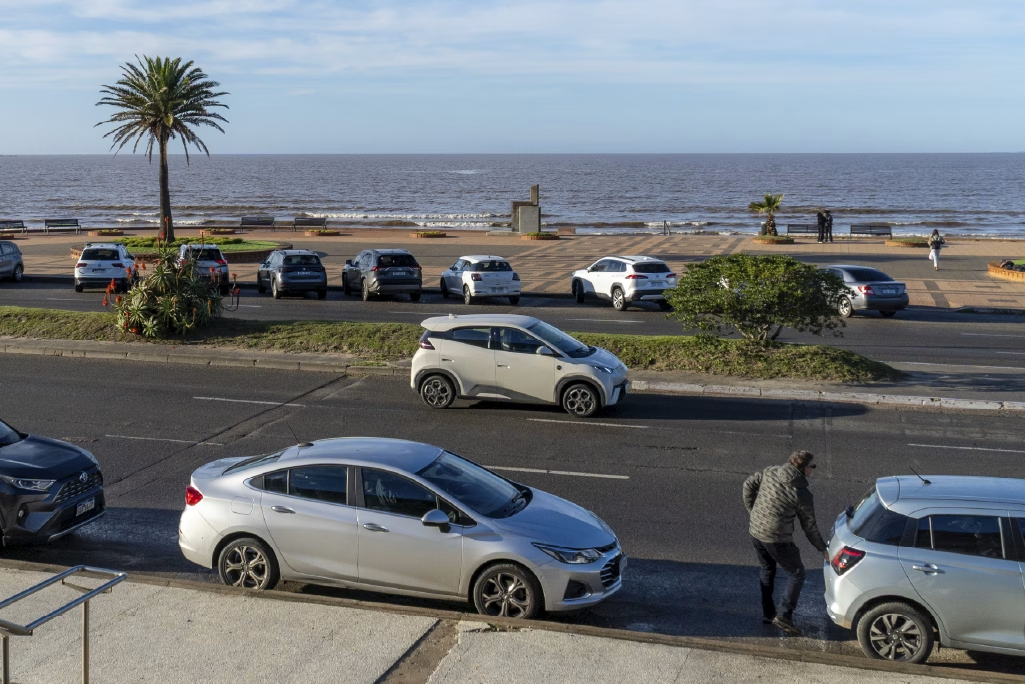
Electric vehicles Uruguay: how costly gas, a clean grid and zero tax made BYD king — and pulled in Tesla.
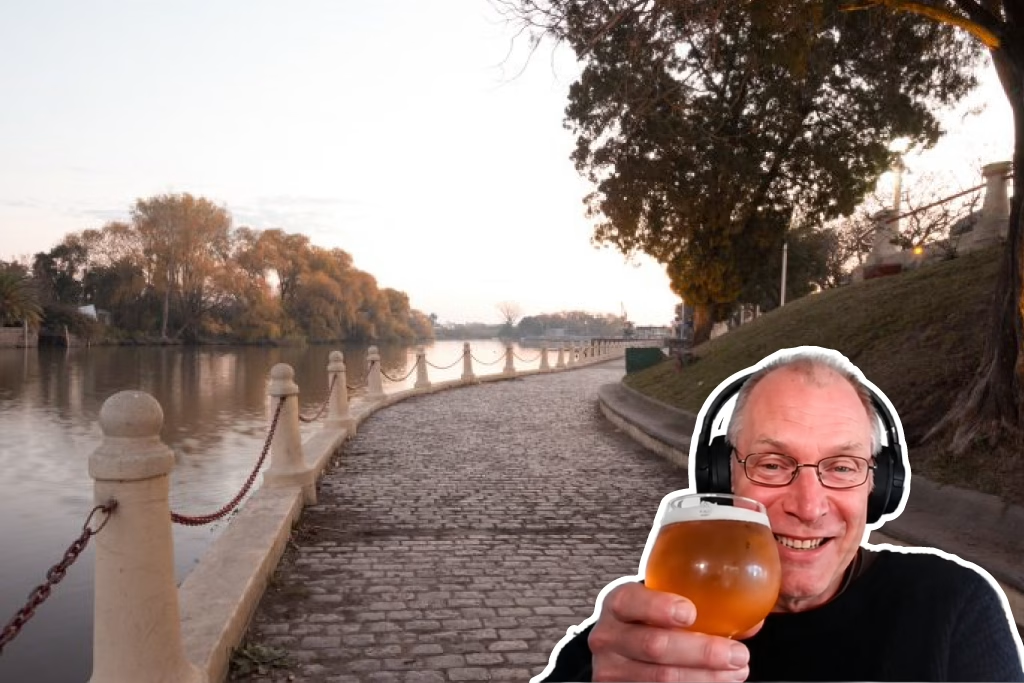
Magnus shares the reality of off-grid living in Uruguay: dodgy container homes, growing food, healthcare, education & the need for serious savings.
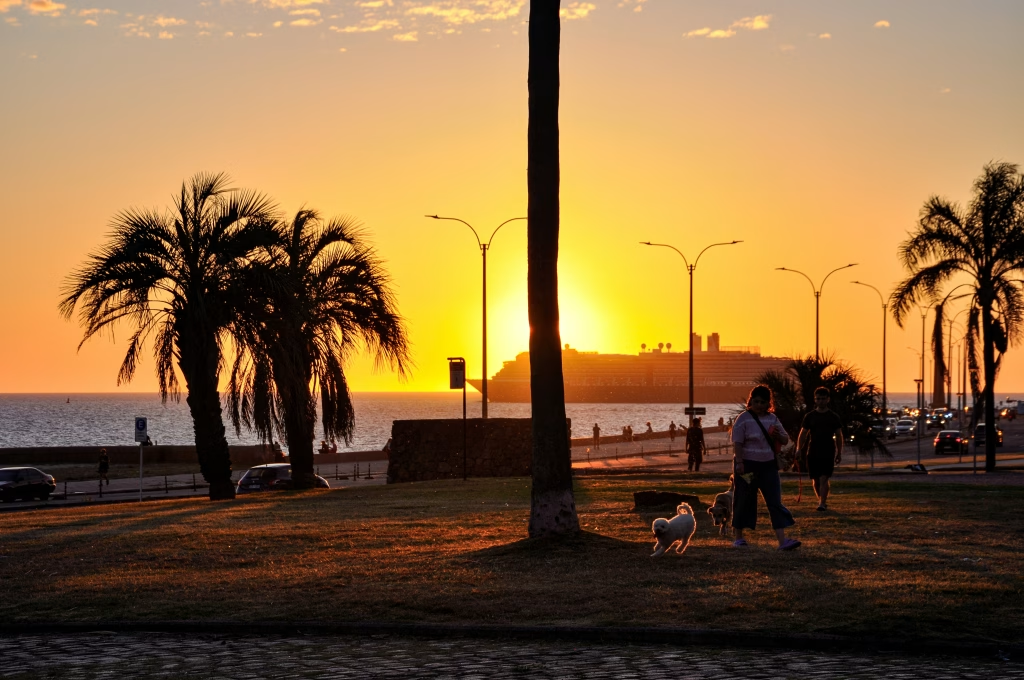
People regularly ask me if many Americans are moving to Uruguay and they’re always shocked at the numbers.
Living in Uruguay beach towns offers a slower lifestyle and affordable living. Ann and her partner left the US to start living in Uruguay.
We perused Reddit to find foreigners’ most asked questions about Uruguay and answer so you can decide if Uruguay is the Plan B you’re looking for.