

This is a Guru’Guay Top Pick
Guru’Guay only recommends businesses and service providers in Uruguay that we absolutely love, who love what they do and demonstrate constant quality.
How and why we choose Guru’Guay Top Picks
We’d love to hear about your experience. Please share in the comments below.
Share via:
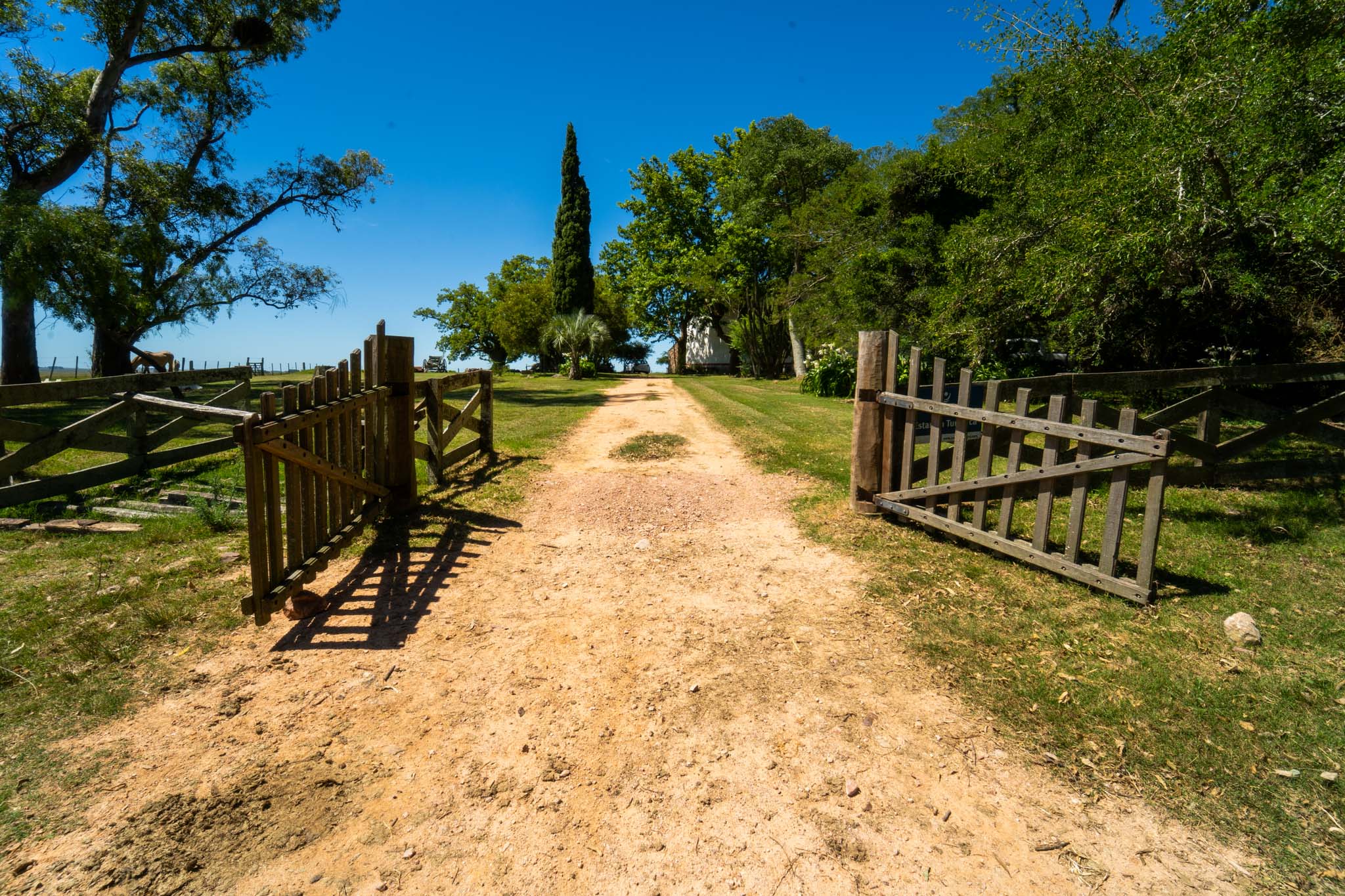
Estancia Los Plátanos lies in a remote spot of the rolling sierras of central Uruguay on the border between the rural departments of Treinta y Tres and Florida. The estancia is run by Marina, the sixth-generation owner of Los Plátanos, and her husband Andrés. Together with their daughters, they welcome guests who want to leave the twenty-first century behind and play on a small working estancia tending cattle and sheep.
Marina’s ancestors, the Respeiros, emigrated from France in the 1850s. They built the ranch house around a central well and stone courtyard. The roof tiles still intact today came over by boat from France. For over a century, the estancia served as a general store and a stagecoach post on the Camino Real, the main route from Montevideo to the north-east border with Brazil (nowadays Ruta 7). Both Marina and Andrés’ great grandparents fought in the civil uprisings of 1897 and 1904 and the family share their history through a small museum in the living room. The tombs of the patriarchs can be seen in the cemetery at nearby Nico-Batlle.
The estancia was initially very large but over the generations the land has been divided as family members and loyal employees inherited portions. Marina’s grandparents owned almost three thousand acres. Marina and her brother inherited a third each. The other third was left to the grandfather’s Afro-Uruguayan foreman who had worked on the estancia from the age of fifteen. He had arrived with the railroad and a fourteen year old wife and lived at the estancia until his 80s.
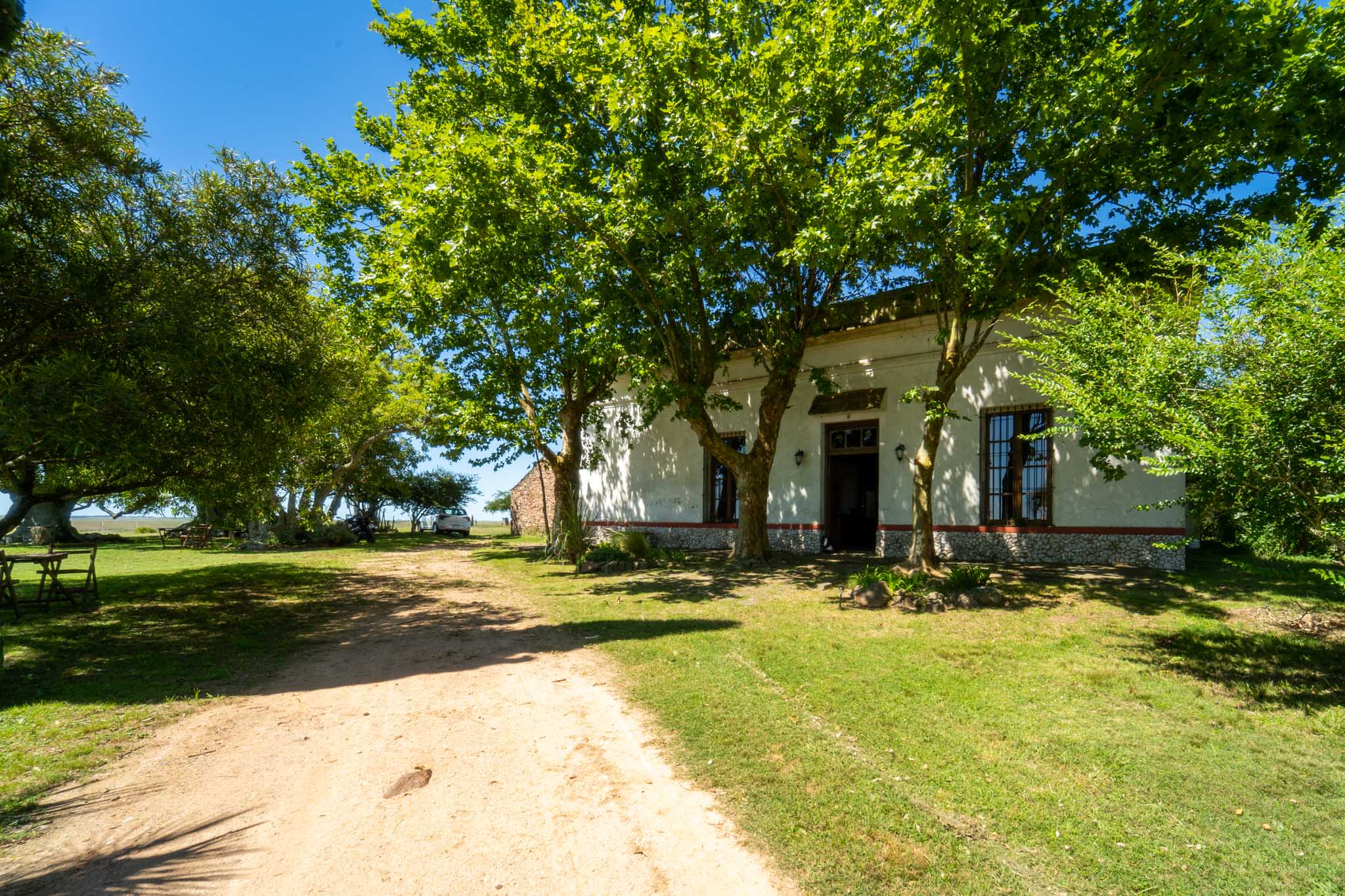
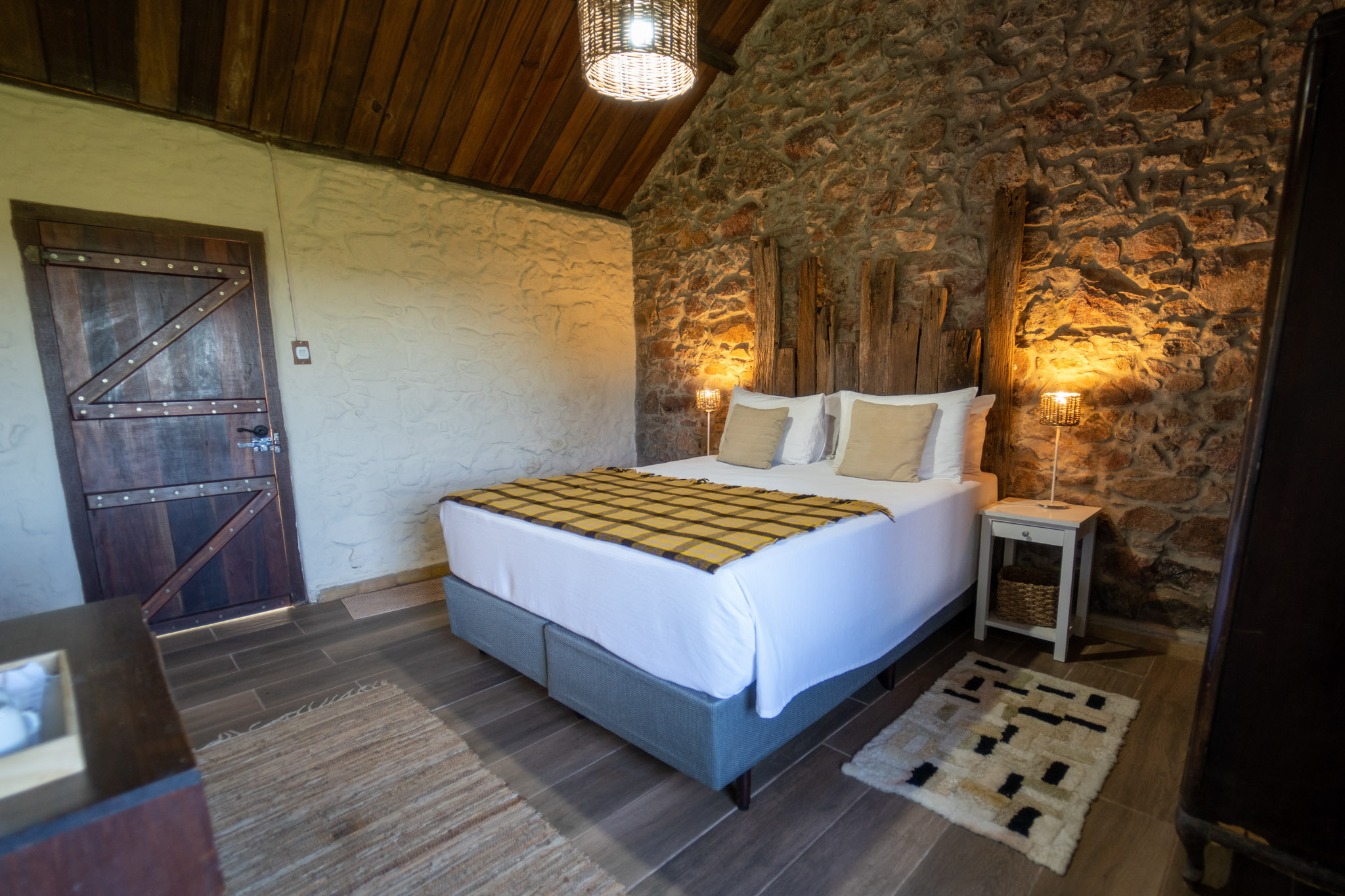

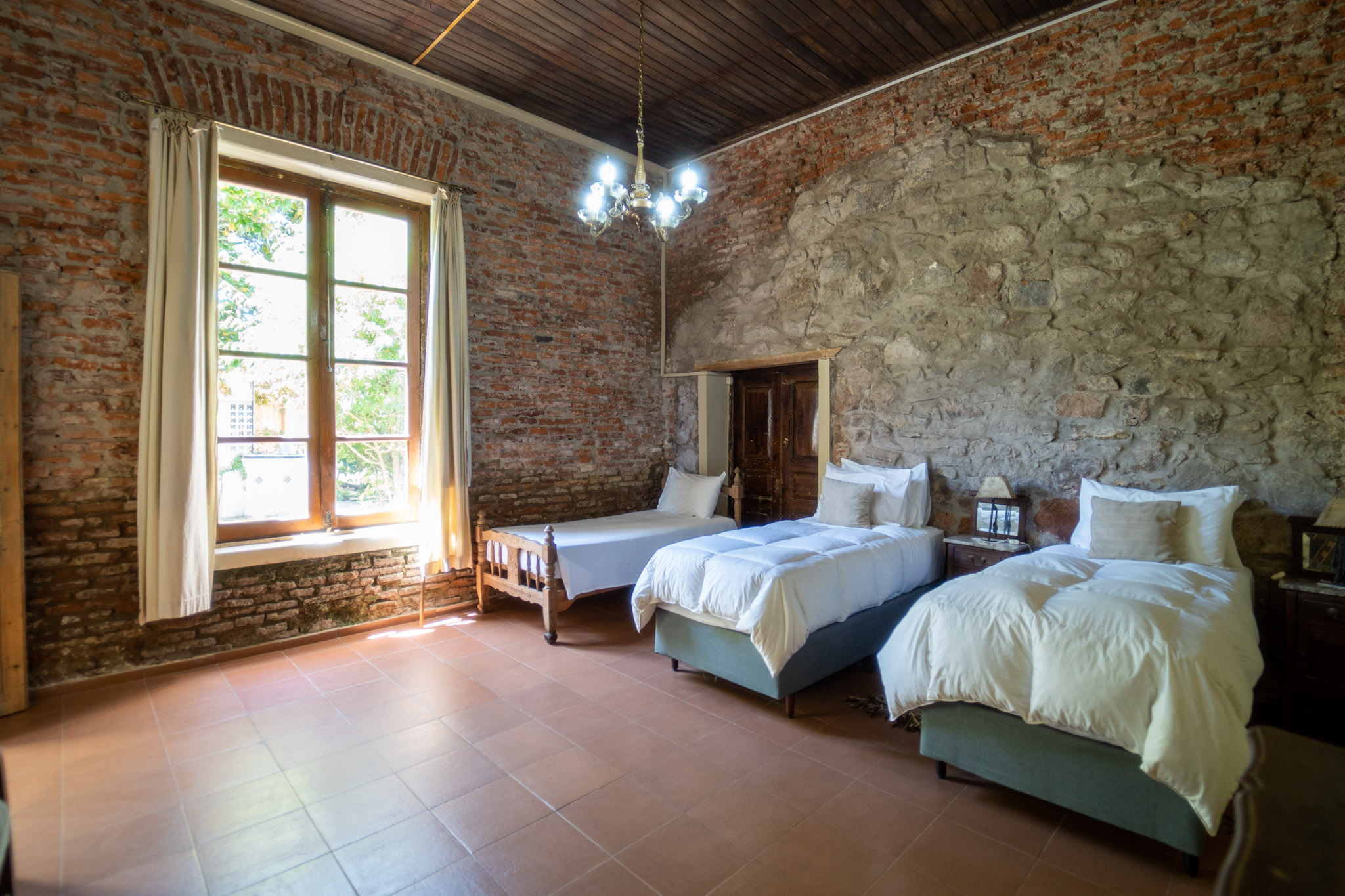
The estancia has six guestrooms: four doubles, one triple, and one quadruple. Five of them overlook the central courtyard and are decorated with natural fabrics and weathered wood. The bathrooms are large with elegant fixtures and would not be out of place in a five-star hotel. The family room (sleeps 4) is complete with turned wood bedframes.
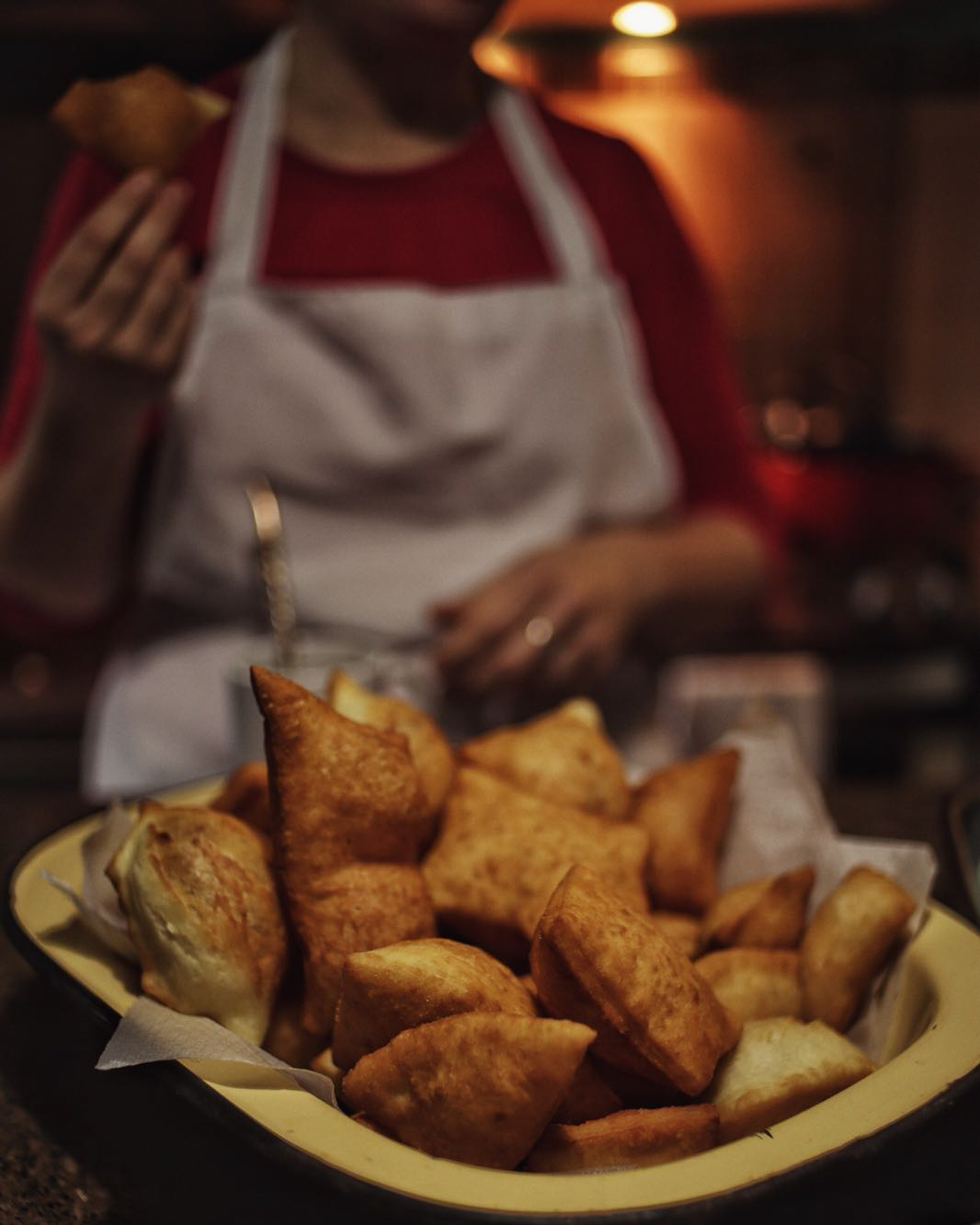
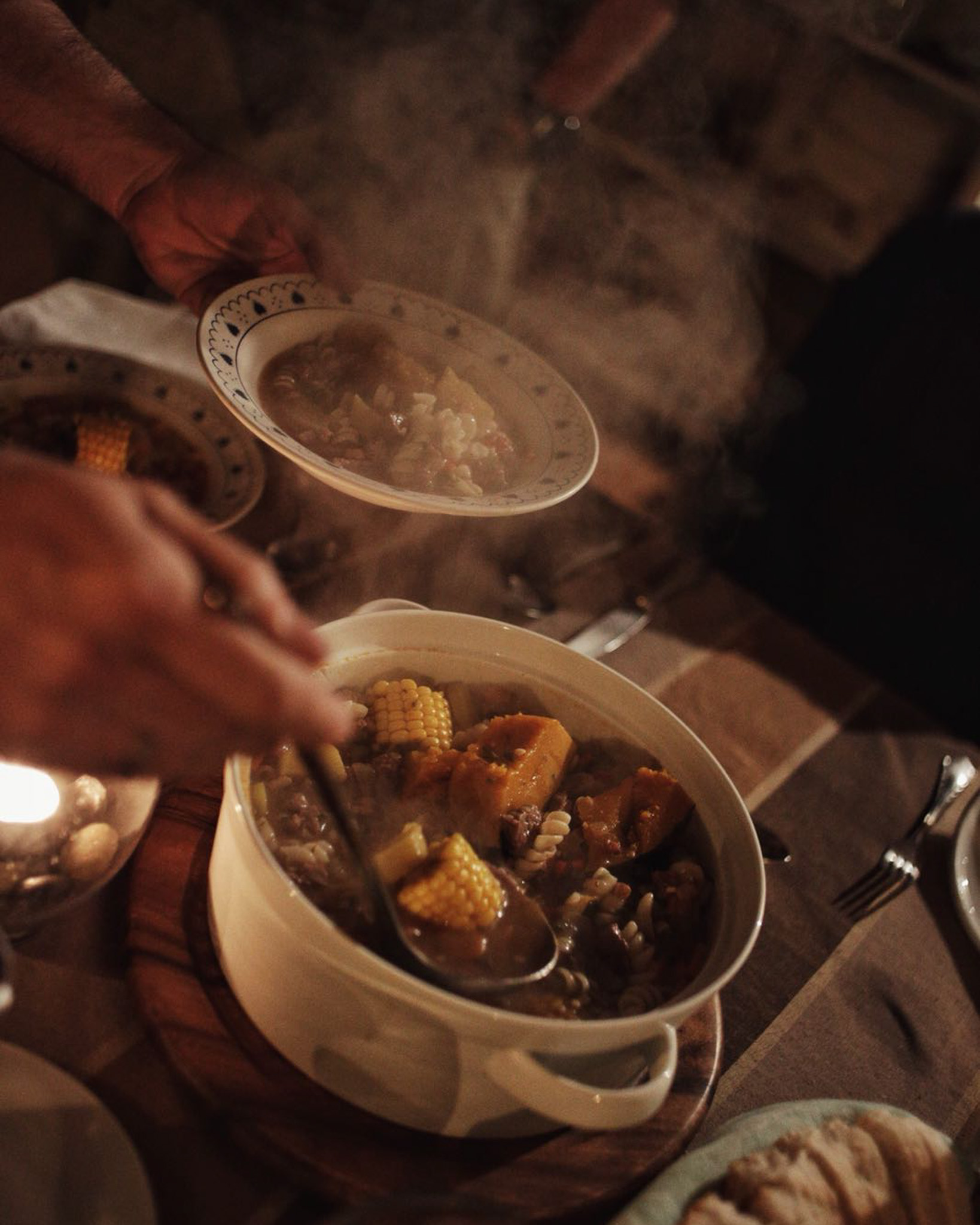
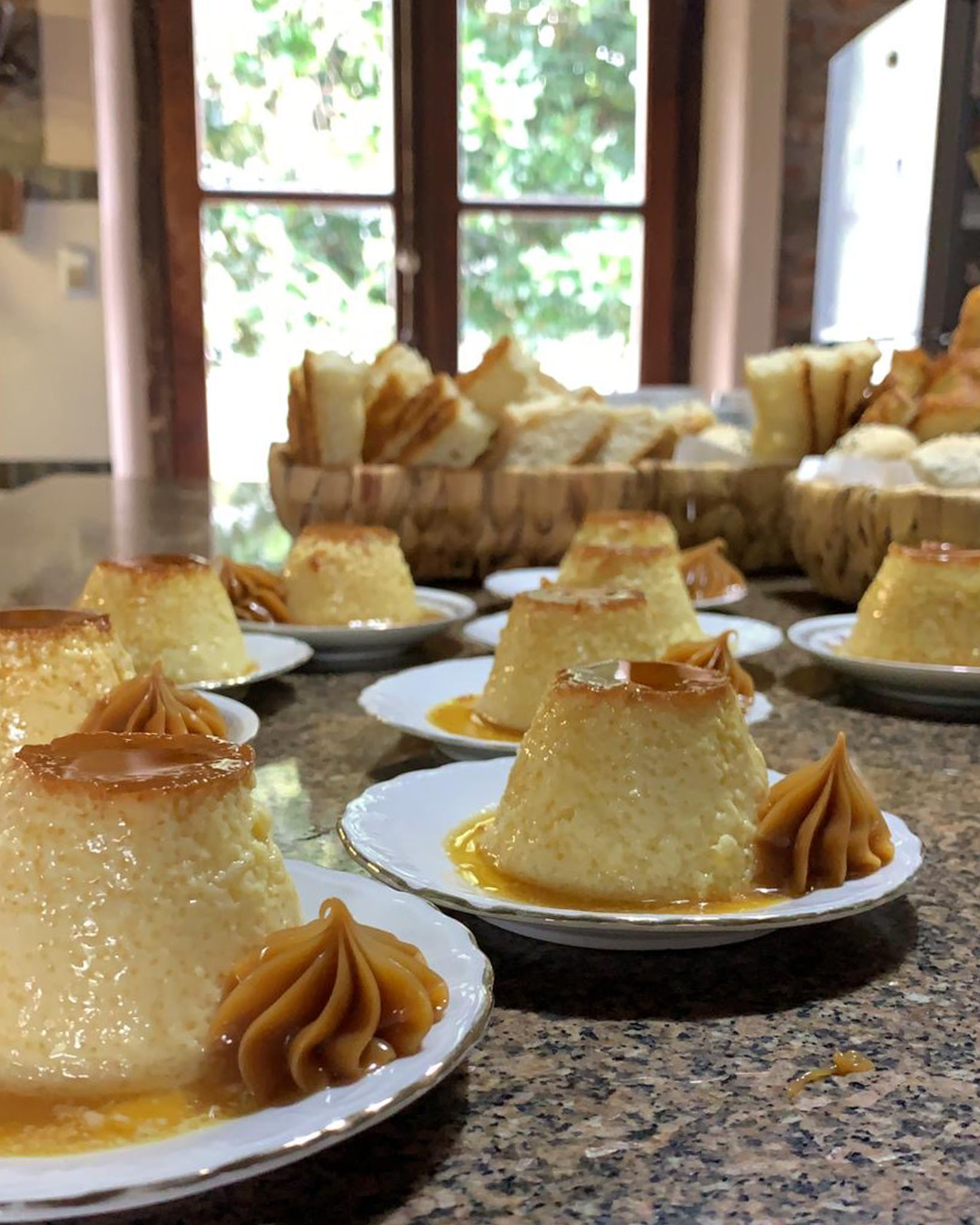
You’ll feast on traditional estancia-style meals—abundant, fresh, and tasty—lovingly prepared by Marina, ably assisted by the rest of the family. Breakfast always includes fresh home-made bread or pastries. Marina, who speaks good English, offers classes in typical Uruguayan country cooking for adults and children. Complimentary tea and coffee are also served. Rainy days call for breadmaking.
All rooms are equipped with fans, minibars, and electric boilers.. I was surprised to see no AC or mosquito nets. Here we are on the sierras and relatively high up. This means—unless the summer has been really rainy—no insects.

Experiencing life at a real estancia The family welcomes you to get involved in the life of the estancia. You need to throw away your watch for a while. If you’re lucky enough to be there when there’s work to be done with the cattle, and the pressing task of the day is to treat a cow with an injured hoof, then you can help Andrés catch the full-grown beastie out in the field. Bring her into the coral. Lasso her in order to lay her down. All this before the treatment can begin. “We don’t invent work though,” says Andrés. “If there’s nothing to do, we can go out riding or trekking.”
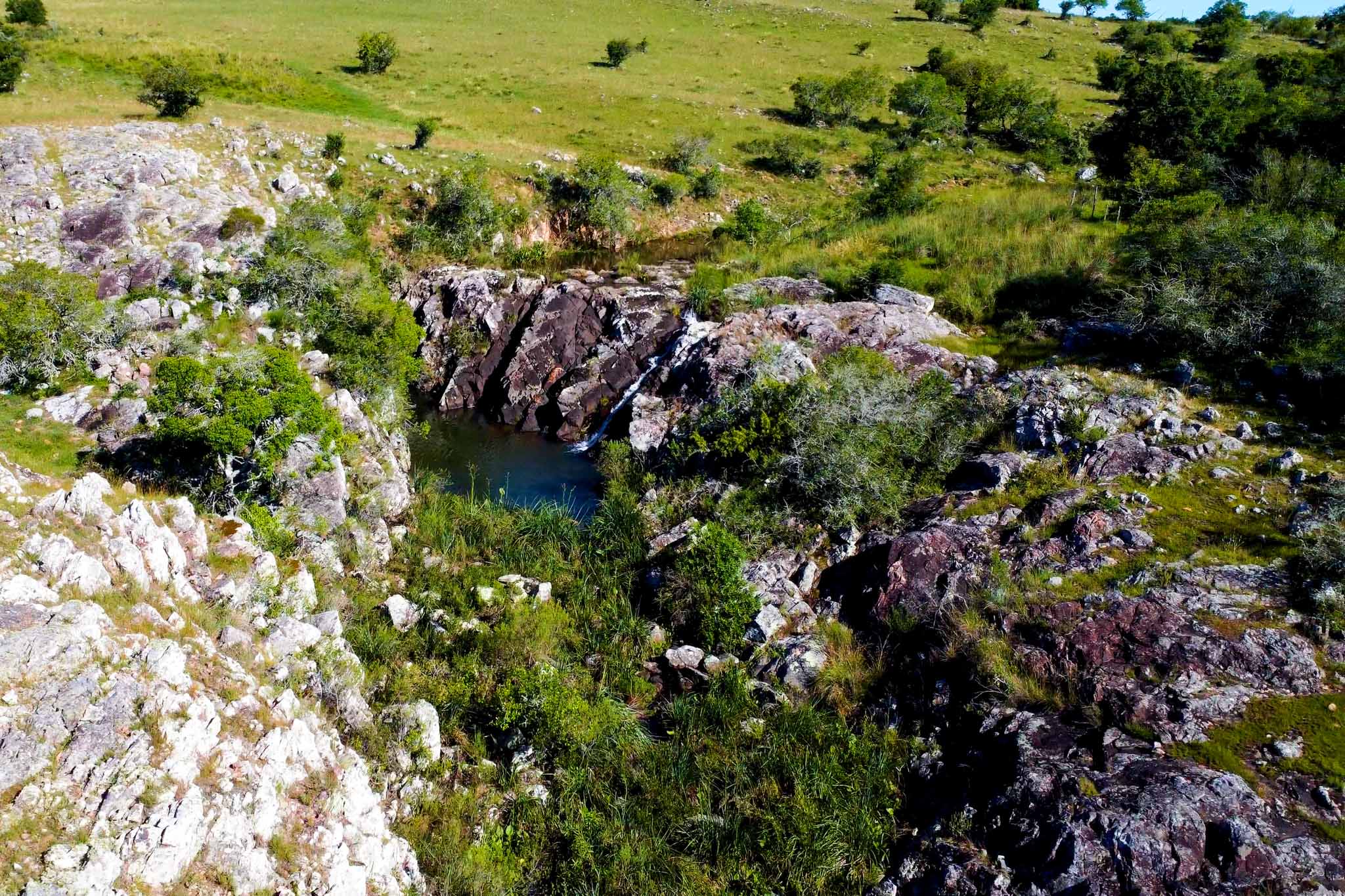
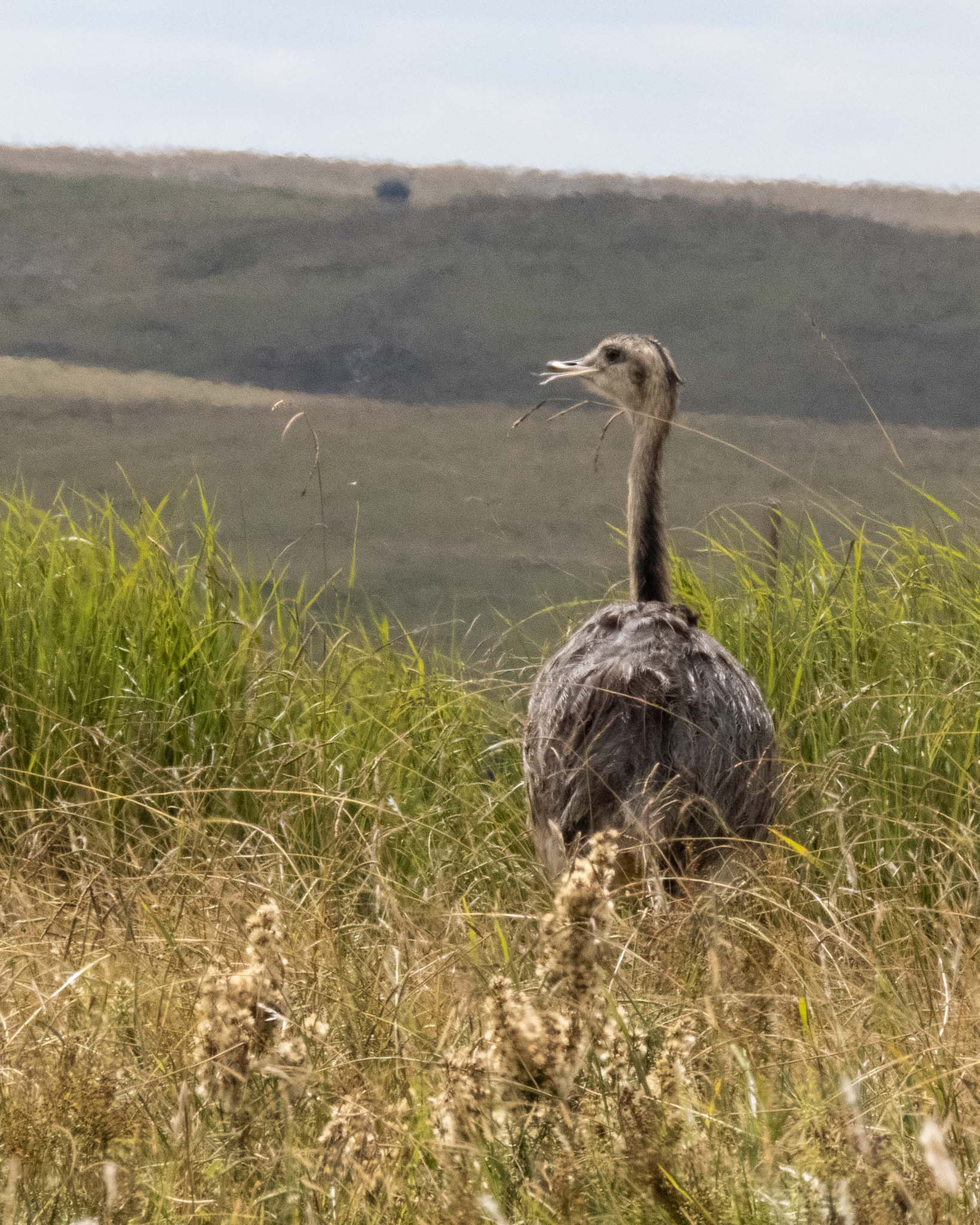
Abundant wildlife Marina’s grandfather banned hunting on the estancia last century and the family still adheres to his wishes. At dawn you can see lots of birds. Around 10 in the morning, armadillos (mulitas) are out and about. Mid-afternoon down at the watering hole you may get to see otters sunning themselves. Otters in Uruguay are called lobitos de río which translates as little river wolves. The close of day is probably the most interesting time of day to see wildlife. Birds are returning to their nests. Other animals easy to spot around dusk include foxes (zorros), nutria (a type of beaver), ñandú (the American ostrich), skunk (zorrillo), hurones (part of the ferret family) and opposum (comadrejas).
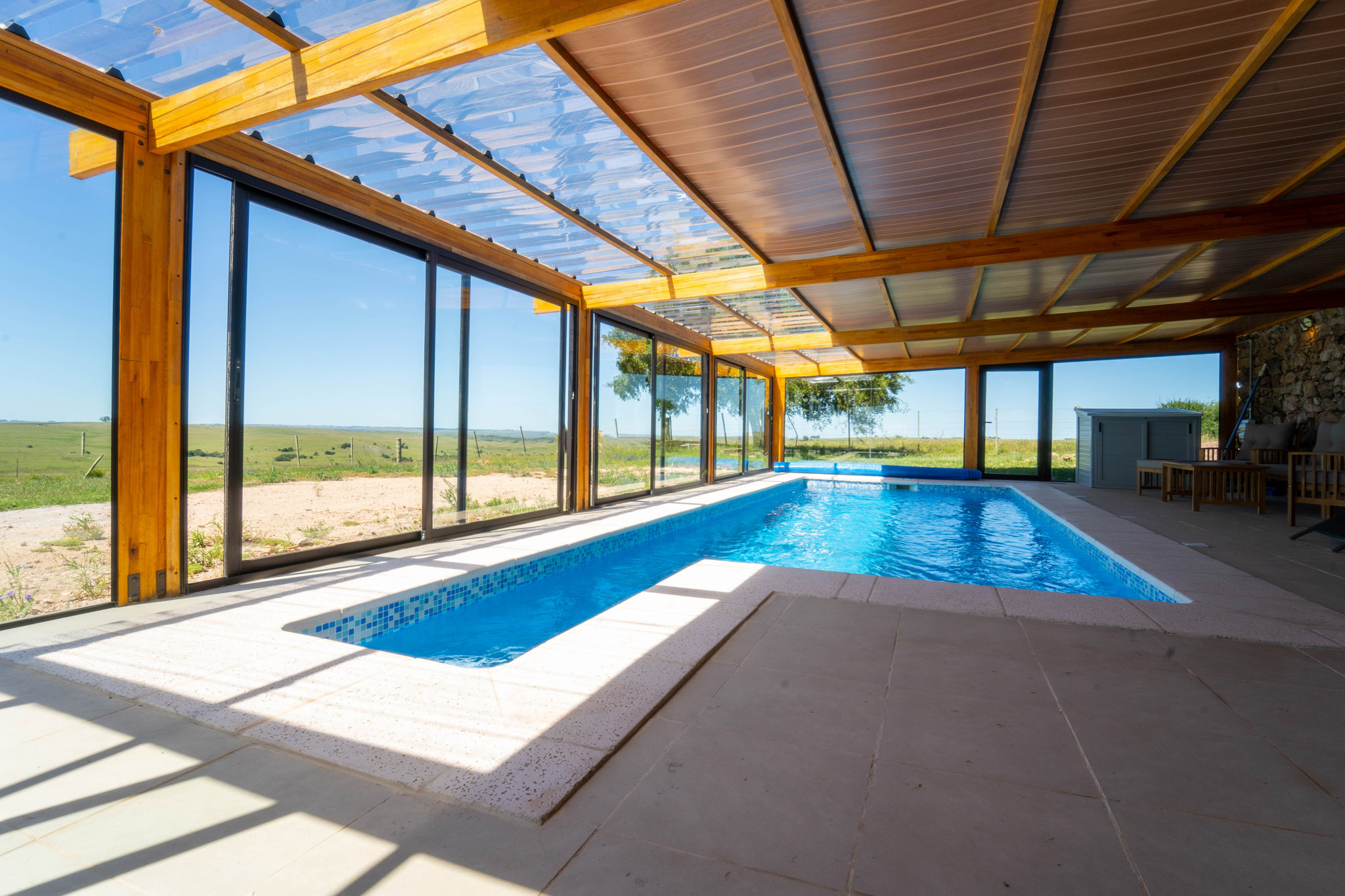
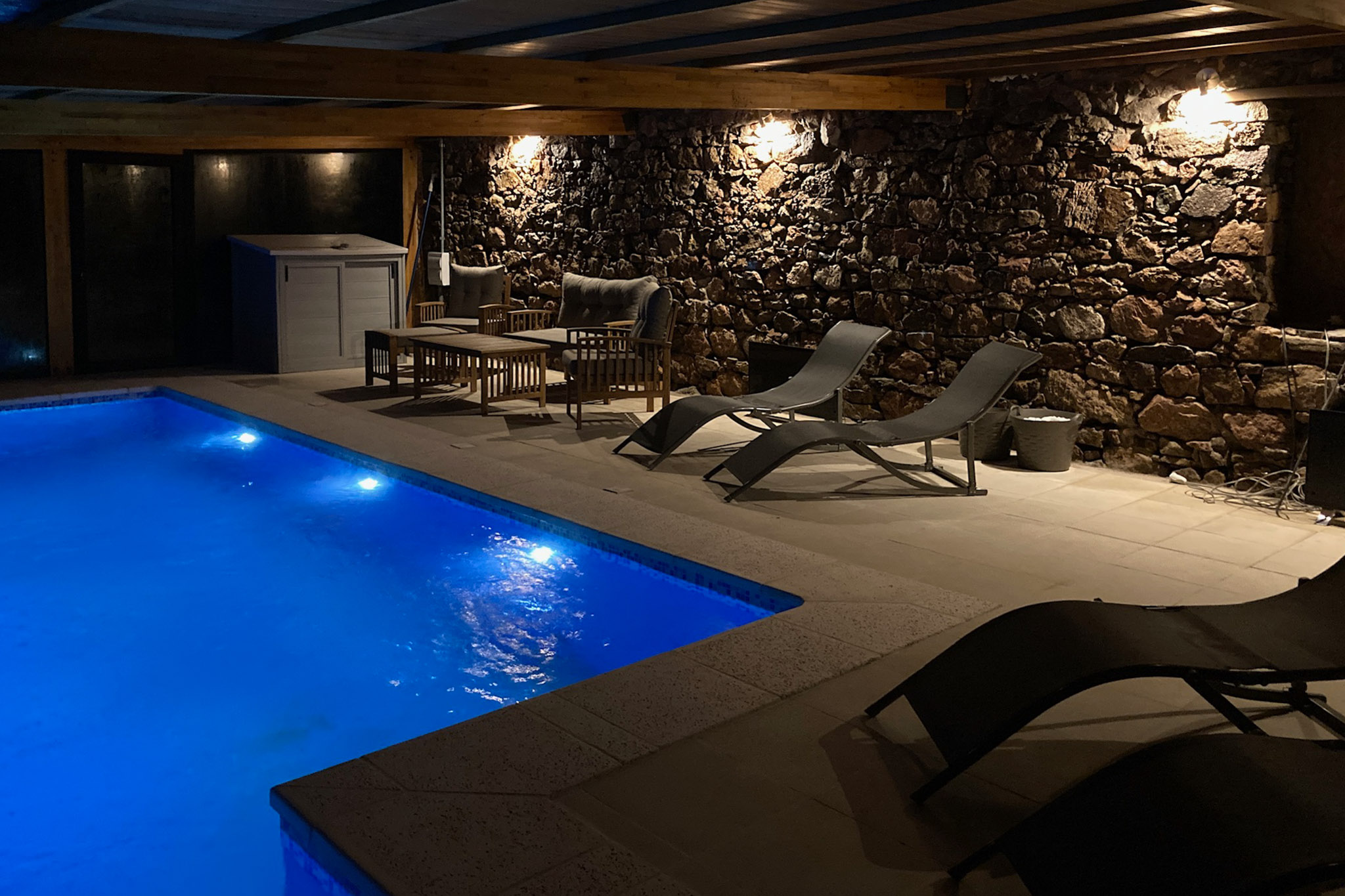
Time to relax In 2024, Andrés built an indoor pool—a rare luxury at a working estancia. During the summer, there’s also swimming in natural pools on the property. Also, enjoy stargazing of the southern hemisphere sky using the estancia telescope.


Peace and quiet are the priority So unless your party is going to take over all the guestrooms, children under twelve years old are not permitted.
Wifi is available in the common areas.
Think about coming by bus This is one of the few estancias which is a short walk across their property to a bus stop. After all, it’s very likely that once you get to the estancia, you’re not going to touch your car the entire stay. There are five buses daily to Valentines from Montevideo (buses go to Cerro Chato). The family can pick you up from the road—they will literally see you descending.
Love that pool and few insects A couple of great reasons that we can’t avoid highlighting for you.

Cerro Chato Triple frontier town where women voted for the first time in South America (R7 km 250)
Estación AFE Nico Perez Ex railway town, José Batlle y Ordóñez (R7 km 204)
Estancia Los Plátanos
estancialosplatanos.com
Ruta 7 km 234, Valentines, Treinta y Tres
Photos: Estancia Los Plátanos
2 responses
Hola ! Quisiera saber costo para 4 familias con 10 adultos , 2 niños y dos bebés. 5 habitaciones, 4 para 3 personas y 1 para 2.
Hola Gimena! Soy Micaela, de Estancia Los Plátanos 🌿 Muchas gracias por tu interés en visitarnos. En breve te enviamos un mail con más información para responder tu consulta con detalle.
Saludos! 🍃