
Great local car rental company in Uruguay
Shout-out for local car rental company, Mariño Sport, in Uruguay. I’ve been impressed by their great service and personal touch since 2010.


Great local car rental company in Uruguay
Shout-out for local car rental company, Mariño Sport, in Uruguay. I’ve been impressed by their great service and personal touch since 2010.

Living in Punta del Este, Uruguay: a Belgian entrepreneur
Tom on his first year living in Punta del Este, Uruguay: adjusting European expectations, opening a business and cost of living.

Citrino – Tiny off-grid Piriapolis hotel making Uruguay greener
A family-run eco retreat with straw-bale lodges, wildlife, organic breakfasts and total tranquility. Five mins from the ocean.

Il Tano Suites – 420-friendly Punta del Diablo hotel
Your suite with private deck, close to secluded beaches, next to Pdd’s best restaurant. Probably the best value of all Punta del Diablo hotels.

Lucas-Calcraft insurance broker – Uruguay travel insurance & more
For Uruguay insurance coverage and healthcare advice, this family-run company has been serving English-speakers for 150 years (really!).

Cerro Chapeu – Uruguay wine legend in north Uruguay
Led by a recognised legend of Uruguay wine, Cerro Chapeu is a must-do wine destination. You’ll be amazed by this exciting, modern winery.

Living in Punta del Diablo, Uruguay: A lesbian couple’s first year
Shelley and Chas moved from Georgia to Punta del Diablo, Uruguay. Real monthly costs, LGBTQ community, bringing cats, residency + advice.

Carolina Sprengel Real Estate – Investing & selling
Investing in Uruguay real estate or selling your property? We love this realtor for sharp financial analysis and honest, hands-on service.

Alto de la Ballena – Pioneering Maldonado winery
Tiny Maldonado winery producing some of Uruguay’s finest wines. Alto de la Ballena was the first to make wine in Uruguay’s top wine region.

Casa Mara Uruguay – Designer hillside hideaway
Casa Mara Uruguay: a sierra hillside hideaway with three cabins, a natural infinity pool and not a single power line in sight.

…and 3rd friendliest in the world according to Equaldex. Homosexuality has been legal here almost 100 years.

Did you know Uruguay is among the most LGBT-friendly countries worldwide? Small nation. Big equality record.

Despite its pint size population, Uruguay football has one of the most successful national teams in soccer history.

Discover what the weather in Uruguay is *really* like throughout the year, based on 25+ years experience living in Uruguay.

Inspired holiday gifts! Our favourite books on Uruguay or by Uruguayans to read yourself and treat the Uruguay lover in your life.
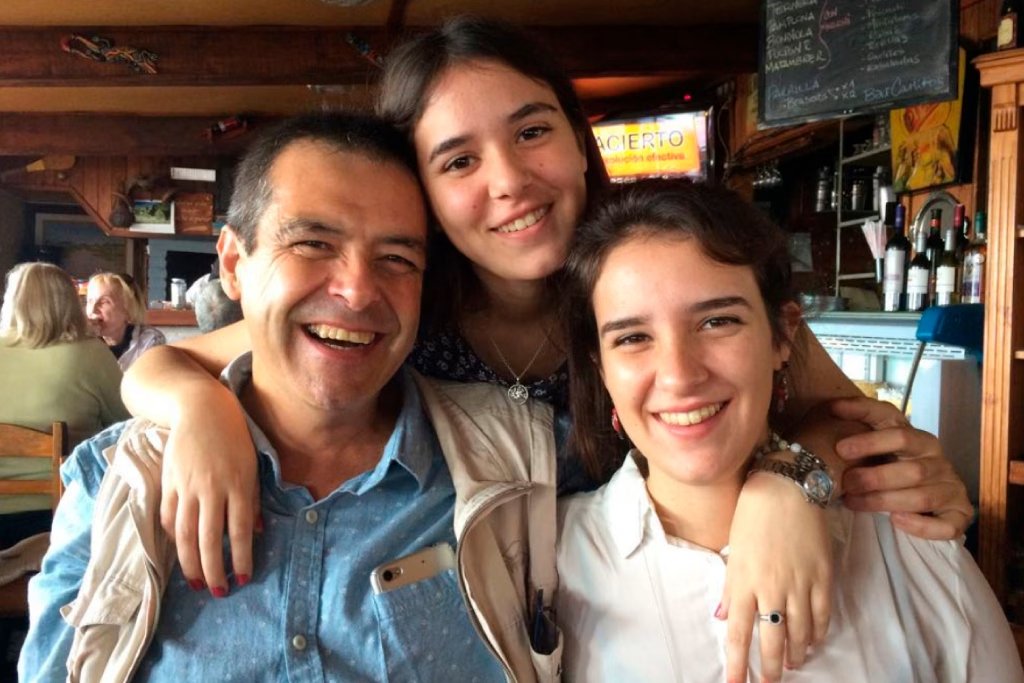
Uruguay makes history once again. Euthanasia in Uruguay is now legal. We learn what went on behind the scenes from the most visible campaigner.